
Table of Contents
Table of Contents
Introduction
Every plant lover knows the joy of seeing lush, green leaves brighten up a room. But as the seasons shift, many people notice something unsettling: their indoor plants turn yellow in autumn. It can feel discouraging—after all, you’ve watered, cared for, and nurtured your plants all summer, only to watch them fade as the days grow shorter.
The good news is that yellowing leaves in autumn are not always a sign of doom. In fact, they’re often a natural response to seasonal changes. With the right knowledge and a few natural adjustments, you can restore your plants’ vitality and keep them thriving through the colder months.
This guide will walk you through the main reasons indoor plants turn yellow in autumn, the natural fixes that actually work, and the preventive care strategies that will help you avoid the problem altogether.
Many new plant owners panic when they see yellow leaves, assuming their plant is dying. But experienced gardeners know that when indoor plants turn yellow in autumn, it’s often a seasonal adjustment rather than a death sentence. The trick is learning to read the signals—yellowing can mean stress, but it can also mean your plant is simply conserving energy for the colder months ahead.
Here’s the twist: not all yellowing is bad. Some species, like certain ferns and calatheas, naturally shed older leaves in autumn to redirect energy to new growth. Recognizing the difference between natural seasonal shedding and stress-induced yellowing is what separates casual plant keepers from confident indoor gardeners.
👉 For more seasonal plant care, explore our overwintering houseplants checklist.
For more insights, see Plant Care for Beginners’ guide on what to do when plant leaves turn yellow in autumn, which explains normal seasonal shedding vs stress.
Why Indoor Plants Turn Yellow in Autumn
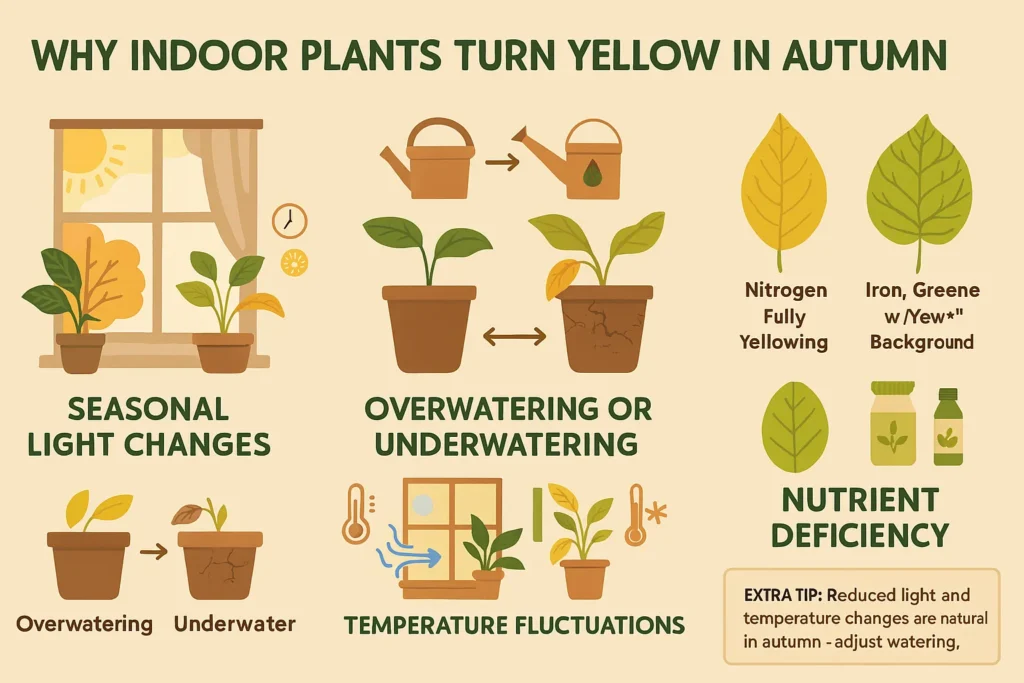
When you notice yellowing leaves, it’s tempting to assume you’ve done something wrong. But in reality, autumn brings a unique set of environmental changes that affect your plants’ growth cycle. Let’s break down the most common causes.
Seasonal Light Changes
As autumn arrives, daylight hours shorten and the sun’s intensity weakens. Indoor plants that thrived in bright summer light suddenly receive less energy for photosynthesis. Without enough light, chlorophyll production slows, and leaves begin to lose their green pigment.
- Signs: Leaves closest to the window stay greener, while those further away yellow first.
- Why it matters: Plants rely on consistent light to maintain healthy foliage. Reduced light is one of the top reasons indoor plants turn yellow in autumn.
👉 To extend light and warmth outdoors, see our cold frame gardening guide.
Overwatering or Underwatering
Watering mistakes are another major culprit. In autumn, plants naturally slow their growth. This means they require less water than in summer. If you continue watering on the same schedule, roots may sit in soggy soil, leading to root rot and yellowing leaves.
On the flip side, some plant owners reduce watering too drastically, leaving the soil bone-dry. Both extremes cause stress that shows up as yellow foliage.
- Signs:
- Overwatering → yellow, mushy leaves, sometimes with brown tips.
- Underwatering → yellow, crispy leaves that fall off easily.
Temperature Fluctuations
Autumn brings cooler nights and the first use of indoor heating systems. Drafts from open windows or sudden blasts of hot air from heaters can shock sensitive plants. This stress often manifests as yellowing leaves, especially in tropical species that prefer stable conditions.
👉 For more protection strategies, explore our frost protection for plants guide.
- Signs: Yellowing combined with leaf drop near windows or vents.
Nutrient Deficiency
As plants adjust to seasonal changes, nutrient imbalances may become more visible. Nitrogen deficiency, for example, causes older leaves to yellow first, while magnesium or iron shortages create yellowing between leaf veins.
- Signs: Yellowing patterns that follow specific nutrient deficiency markers.
- Why it matters: Without correction, deficiencies weaken plants heading into winter.
Another overlooked factor is the plant’s age. Mature plants often shed older leaves in autumn as part of their natural cycle, which can alarm owners who expect constant greenery. When indoor plants turn yellow in autumn, sometimes it’s simply a sign of maturity rather than mismanagement.
Curiously, even the placement of your plant can play a role. A peace lily near a drafty hallway may yellow faster than the same plant in a stable, warm corner. This unpredictability keeps plant care fascinating—two identical plants in the same home can behave completely differently, reminding us that indoor gardening is as much about observation as it is about routine.
👉 For nutrient-specific guidance, explore Live to Plant’s troubleshooting guide, which explains deficiency patterns.
Natural Fixes for Yellowing Indoor Plants
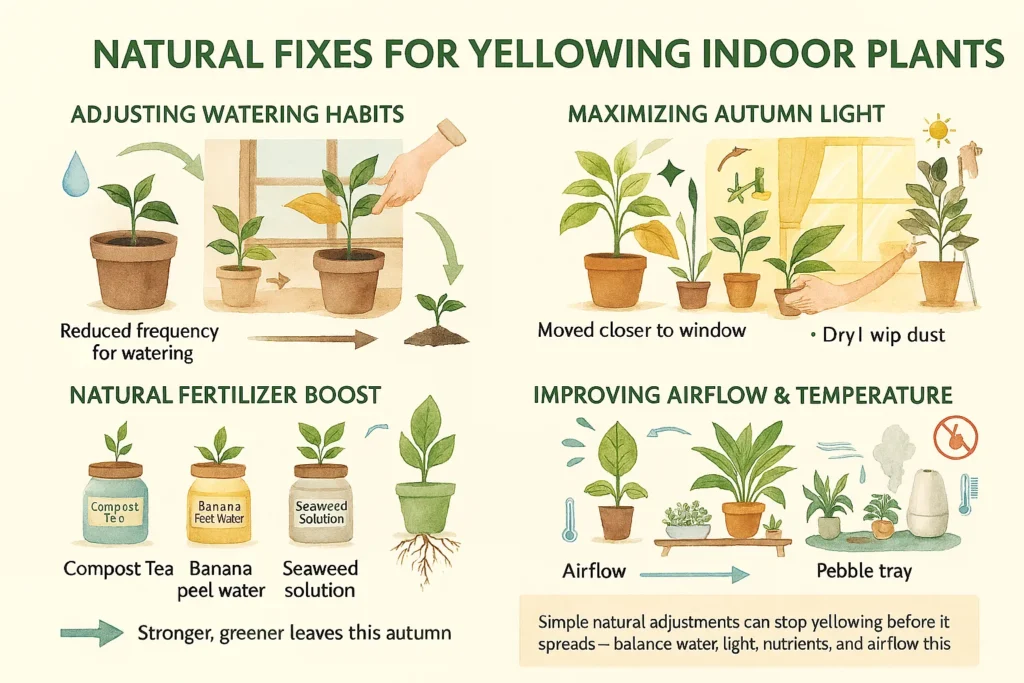
The best part about plant care is that most problems have simple, natural solutions. Here’s how to restore your plants’ health without resorting to harsh chemicals.
Adjusting Watering Habits
- Check soil moisture before watering by sticking your finger 2–3 cm into the soil. If it feels dry, water lightly.
- Reduce frequency in autumn, since plants grow more slowly.
- Use pots with drainage holes to prevent waterlogging.
This small adjustment alone can prevent most cases where indoor plants turn yellow in autumn.
Maximizing Autumn Light
- Move plants closer to windows to capture weaker sunlight.
- Rotate pots weekly so all sides receive light.
- Clean leaves gently with a damp cloth to remove dust that blocks light absorption.
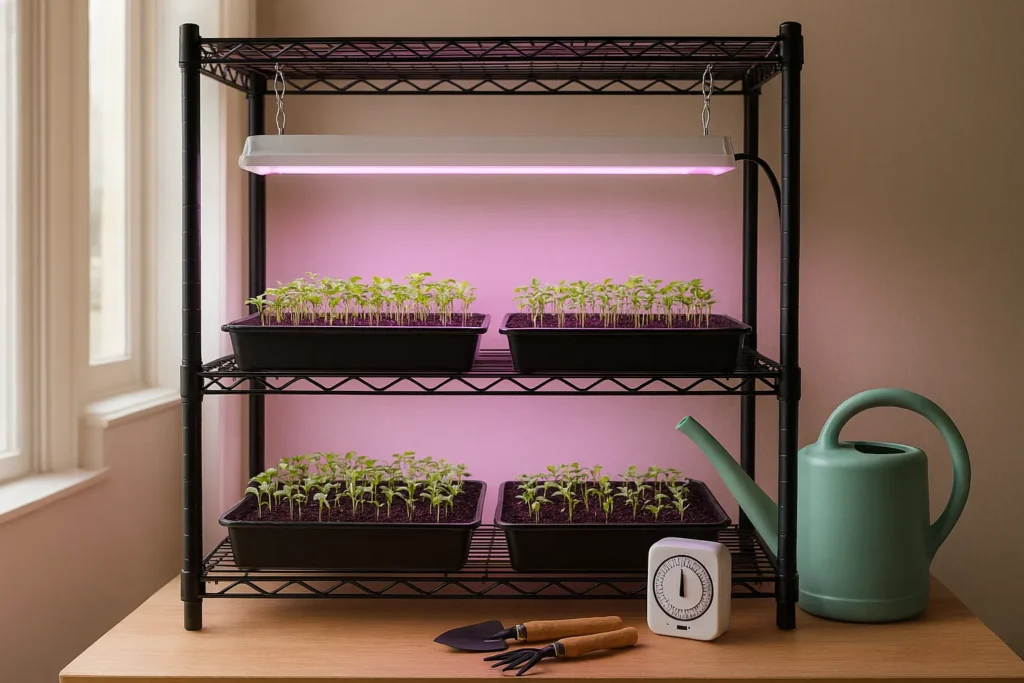
If natural light is scarce, consider a full-spectrum grow light to supplement.
Natural Fertilizer Boost
Instead of synthetic fertilizers, try these eco-friendly options:
- Compost tea: Provides a balanced nutrient boost.
- Banana peel water: Rich in potassium, great for flowering plants.
- Diluted seaweed solution: Improves root strength and resilience.
These natural remedies not only correct deficiencies but also improve soil health long-term.
👉 To enrich soil naturally, learn how to make leaf mold fast.
Improving Airflow & Temperature
- Keep plants away from heaters, radiators, and drafty windows.
- Use a humidifier or pebble tray to maintain humidity.
- Group plants together to create a microclimate of stable warmth and moisture.
Preventing Yellow Leaves Before They Start
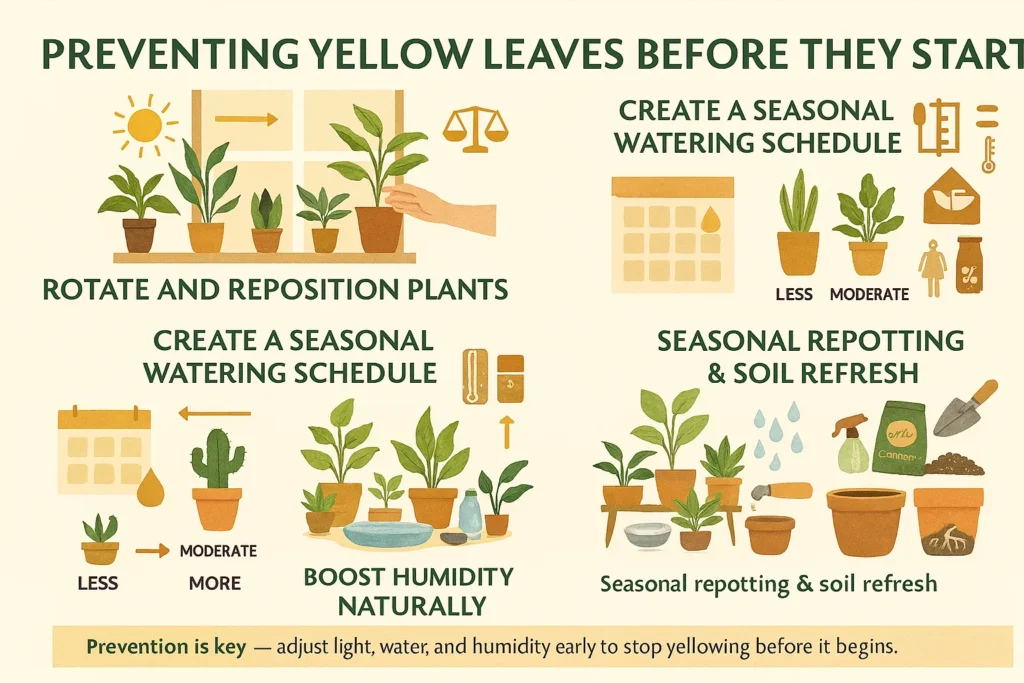
Prevention is always easier than a cure. By making small seasonal adjustments, you can keep your plants green and vibrant all autumn long.
Rotate and Reposition Plants
Plants lean toward light sources, which can cause uneven growth and stress. Rotating them weekly ensures balanced exposure and prevents yellowing on shaded sides.
Create a Seasonal Watering Schedule
Instead of watering on autopilot, adjust your schedule based on:
- Plant type (succulents need less, tropicals need more).
- Room temperature (cooler rooms = slower evaporation).
- Pot size (smaller pots dry out faster).
Boost Humidity Naturally
Autumn air is often drier indoors. To prevent yellowing caused by low humidity:
- Place bowls of water near heaters.
- Mist plants lightly in the morning.
- Use humidity trays filled with pebbles and water.
Seasonal Repotting & Soil Refresh
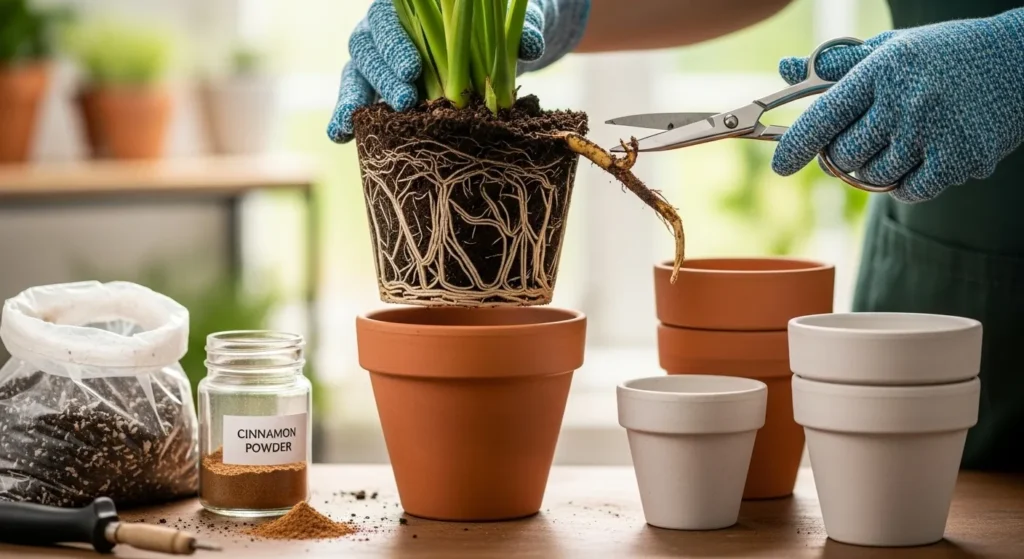
If roots are bound or soil is depleted, autumn is a good time for a light refresh. Repotting into slightly larger containers with fresh soil ensures that plants have the nutrients they need to stay healthy and green.
Prevention also means anticipating seasonal stress before it shows. When indoor plants turn yellow in autumn, it’s often because owners waited until symptoms appeared. By proactively adjusting watering, light, and humidity at the start of the season, you can avoid yellowing altogether. Think of it as tuning your plants for autumn, the way you might prepare your wardrobe for cooler weather.
And here’s a curiosity-builder: some gardeners intentionally allow a few leaves to yellow and drop in autumn, believing it strengthens the plant’s resilience for winter. While not universally accepted, this practice highlights an important truth—plants are adaptable, and sometimes a little stress can make them hardier in the long run.
Conclusion
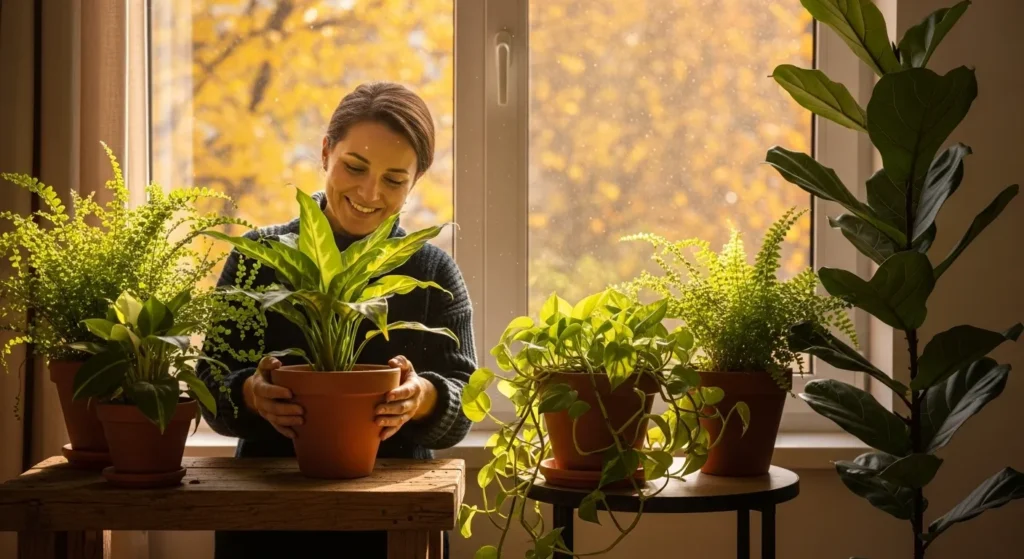
When indoor plants turn yellow in autumn, it’s rarely a sign of failure. More often, it’s your plants’ way of signaling that the environment has changed and they need a little extra care. By understanding the seasonal shifts in light, water, temperature, and nutrients, you can respond naturally and effectively.
The key is to observe, adjust, and prevent. Move your plants closer to the light, water them less frequently, boost their nutrients with natural fertilizers, and stabilize their environment. With these simple steps, your plants will not only survive autumn but thrive through the winter ahead.
When indoor plants turn yellow in autumn, the best fix is often the simplest: patience. Many plant owners rush to overcorrect—adding too much fertilizer, moving plants constantly, or watering excessively. Ironically, these quick fixes can worsen the problem. A measured, natural approach—small adjustments over time—usually restores balance more effectively than drastic changes.
Here’s a twist worth noting: sometimes the solution isn’t about the plant at all, but about the container. Old, compacted soil or decorative pots without drainage can silently sabotage your efforts. Swapping to fresh soil or a breathable terracotta pot can revive a struggling plant faster than any fertilizer.
Remember: yellow leaves are not the end of the story—they’re an invitation to become a more attentive, seasonal gardener.
When indoor plants turn yellow in autumn, they’re offering you a chance to deepen your understanding of plant care. Instead of frustration, see it as a seasonal dialogue between you and your plants. Each yellow leaf is a clue, guiding you toward better light placement, smarter watering, or more natural feeding.
The real twist is this: once you master autumn plant care, winter becomes far less intimidating. By learning to respond to yellowing leaves with curiosity instead of panic, you’ll not only keep your plants alive—you’ll help them thrive year after year, turning seasonal challenges into opportunities for growth.
👉 For more seasonal inspiration, explore our romantic garden ideas.
🌱 Frequently Asked Questions: Why Indoor Plants Turn Yellow in Autumn
1. Why do indoor plants turn yellow in autumn even if I water them correctly?
Even with proper watering, indoor plants turn yellow in autumn because of reduced daylight hours and cooler temperatures. Seasonal light changes slow photosynthesis, which naturally causes leaves to lose their green pigment. This is especially common in tropical houseplants that are sensitive to shorter days.
2. Should I remove yellow leaves from my houseplants in autumn?
Yes, but selectively. If the leaf is completely yellow and limp, gently prune it to redirect energy to healthier growth. However, if only part of the leaf is yellow, leave it for now—your plant may still be drawing nutrients from it. Remember, yellow leaves on houseplants are often part of a natural seasonal cycle.
3. Can yellow leaves turn green again?
In most cases, once a leaf has fully yellowed, it will not return to green. Instead, focus on preventing further yellowing by adjusting light, water, and nutrients. When indoor plants turn yellow in autumn, it’s a signal to improve care conditions rather than a reversible change in the leaf itself.
4. What natural remedies help fix yellowing leaves?
Natural solutions work best for long-term plant health. Try compost tea for nutrients, banana peel water for potassium, or diluted seaweed extract for root strength. These natural remedies for yellowing plants restore balance without harsh chemicals, making them ideal for eco-conscious plant owners.
5. How can I prevent indoor plants from turning yellow every autumn?
The key is proactive seasonal care. Move plants closer to windows, rotate them weekly, and reduce watering frequency as growth slows. Boost humidity with pebble trays or misting, and refresh soil if it’s compacted. By practicing seasonal indoor plant care, you’ll minimize stress and keep foliage green well into winter.
6. Do all plants react the same way in autumn?
Not at all. Some species, like ferns and calatheas, naturally shed older leaves in autumn, while succulents and cacti may barely change. This is why two identical plants in different corners of your home can behave differently. When indoor plants turn yellow in autumn, it’s important to consider both the species and the microclimate of your space.
One comment on “Why Indoor Plants Turn Yellow in Autumn (And How to Fix It Naturally)”