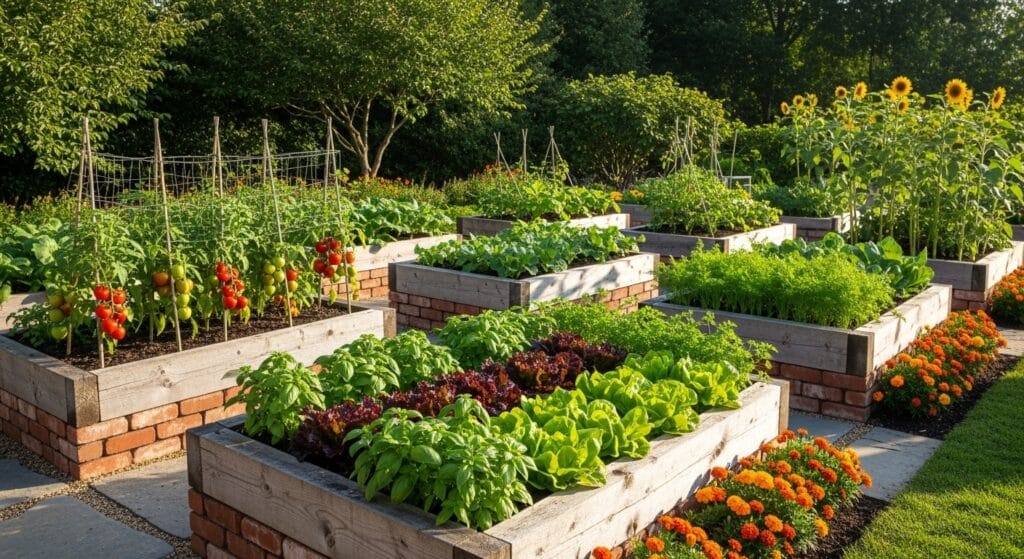
Introduction If you’ve ever dreamed of walking out your back door and harvesting fresh vegetables for dinner, a raised bed garden might be the perfect place to start. Raised bed vegetable gardening has become increasingly popular among homeowners, DIY enthusiasts, and individuals seeking to grow food in a more organized and space-efficient manner. Unlike traditional in-ground gardening, raised beds are simply soil-filled boxes (often wood, stone, or metal) that allow you to control growing conditions. They’re neat, accessible, and productive—even in small yards or patios. For people working with limited space, poor native soil, or mobility challenges, raised beds open…
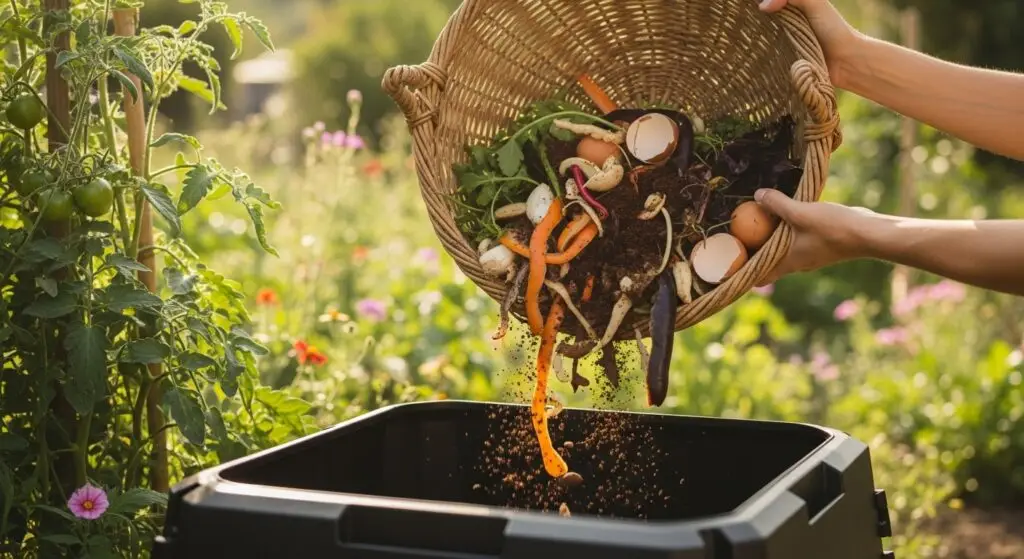
Have you ever stood in your kitchen, a handful of vegetable peels or a used coffee filter in your hand, and felt that familiar pang of guilt as you tossed it into the trash? You know that bag is headed straight for the landfill, but what if there was a better way? What if I told you that you’re not holding waste at all—you’re holding the very foundation of your garden’s future. Those scraps are the secret to richer soil, healthier plants, and a lighter environmental footprint. In fact, they’re the raw ingredients for what gardeners lovingly call “black gold.”…
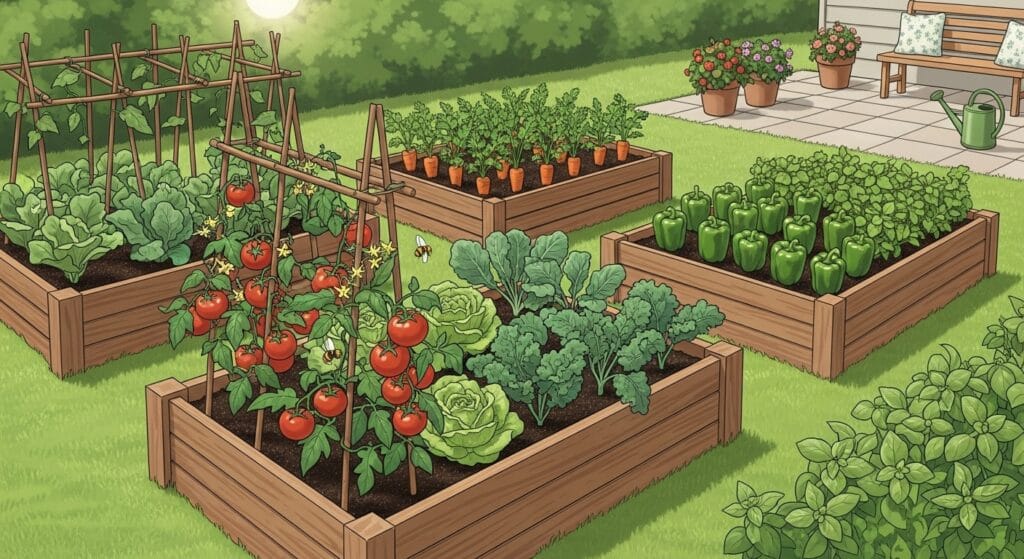
🌿 Introduction Raised bed gardening has become one of the most popular ways to grow vegetables, herbs, and flowers at home. Instead of planting directly into the ground, you build a garden bed that sits above the soil—usually framed with wood, bricks, or other sturdy materials. You then fill it with a customized soil mix, giving your plants a healthier start. Why is it so popular among both beginner gardeners and seasoned green thumbs? Simply put, raised beds make gardening easier, more productive, and more enjoyable. They give you control over soil quality, improve drainage, reduce weeds, and allow you…