
Table of Contents
Table of Contents
Introduction
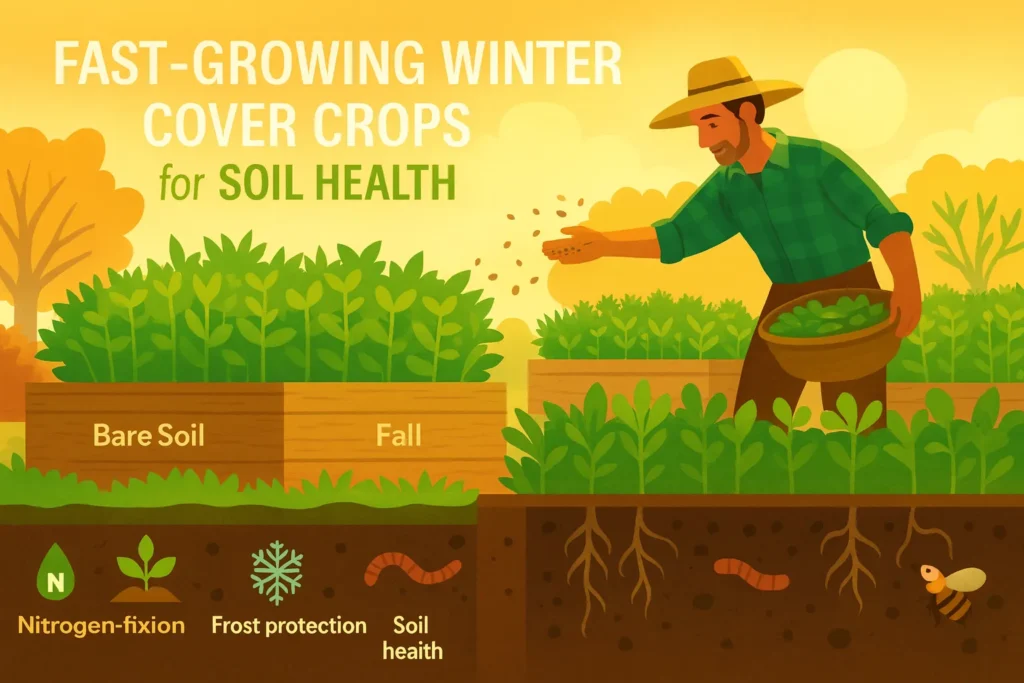
As November settles in, many gardeners assume the growing season is over. Beds are cleared, tools are stored, and the soil is left bare until spring. But leaving soil exposed through winter is one of the fastest ways to lose fertility, structure, and microbial life. The truth is, your garden doesn’t need to “rest” in the cold months—it needs protection and nourishment. That’s where fast-growing winter cover crops come in.
These living green blankets—sometimes called green manures—are sown in late autumn to shield soil from erosion, suppress weeds, and feed the underground ecosystem. For no-dig gardeners especially, cover crops are a cornerstone of soil health, ensuring that beds remain biologically active and ready for spring planting.
In this guide, we’ll explore the best fast-growing winter cover crops, why they matter, and how to choose the right ones for your garden. Along the way, we’ll highlight practical tips for no-dig gardening, cover crops, green manure for winter, and even no-dig cover crops for raised beds.
🌱 Why Plant Fast-Growing Winter Cover Crops?
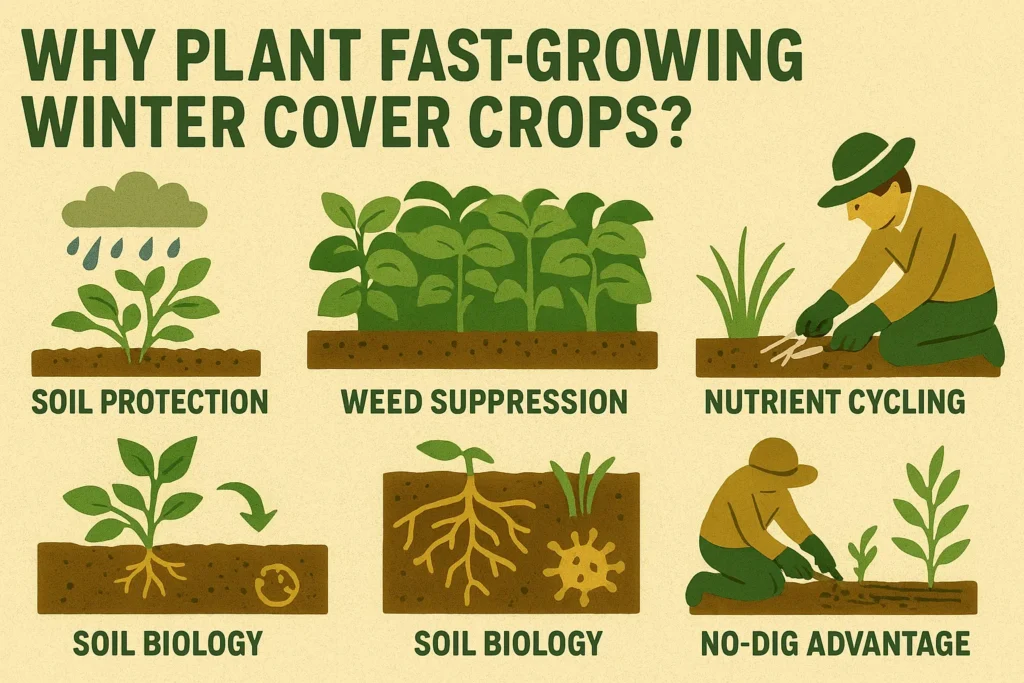
- Soil Protection: Bare soil is vulnerable to rain compaction, frost damage, and nutrient leaching. Cover crops act as a protective shield.
- Weed Suppression: A dense canopy of rye, clover, or mustard prevents winter weeds from taking over.
- Nutrient Cycling: Legumes like vetch and clover fix nitrogen, while grasses scavenge leftover nutrients.
- Soil Biology: Roots feed beneficial microbes, keeping the soil food web alive through winter.
- No-Dig Advantage: For no-dig gardeners, cover crops are a natural mulch factory—cut them down in spring and let the residue enrich the soil surface.
What often surprises gardeners is how quickly these fast-growing winter cover crops can transform the soil beneath them. Even in just a few months, roots from rye or oats create hidden channels that improve drainage, while legumes like clover quietly enrich the soil with nitrogen. This hidden underground work is why many experienced growers call them “green engines” of fertility. And here’s the twist: while you may think of them as temporary fillers, some green manure for winter species actually sets the stage for bumper harvests months later, making them one of the most cost-effective soil investments you can make.
👉 For more seasonal soil enrichment, see our Make Leaf Mold Fast Guide, and for more insights, see Nutrinorm’s guide on winter cover crops and soil health, which explains how they protect fertility and structure.
🌾 Best Green Manure November Choices
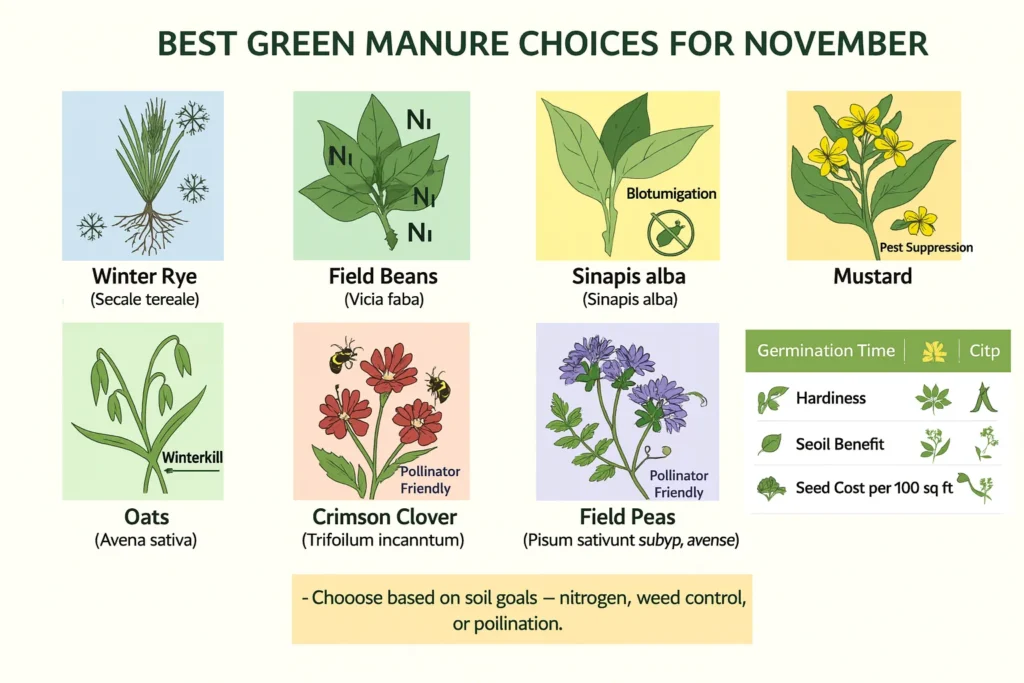
November is late in the season, so you need crops that germinate quickly in cool soil. Here are the top contenders, with detailed mini‑guides:
Winter Rye (Secale cereale)
- Germination Time: 7–10 days in cool soil.
- Hardiness: Extremely frost‑tolerant, survives harsh winters.
- Soil Benefits: Deep roots break compaction, provide excellent weed suppression, and add large biomass.
- Cost Breakdown (per 100 sq. ft.): ~$2–3 in seed.
- Best Use: Large beds or plots where you want maximum weed control and organic matter.
Field Beans (Vicia faba)
- Germination Time: 10–14 days.
- Hardiness: Hardy legume, tolerates cold.
- Soil Benefits: Fixes nitrogen (up to 80–100 lbs/acre equivalent), improves tilth.
- Cost Breakdown: ~$4–5 in seed.
- Best Use: Beds destined for nitrogen‑hungry crops like corn or brassicas.
Mustard (Sinapis alba)
- Germination Time: 3–5 days (very fast).
- Hardiness: Moderate; may winter‑kill in very cold zones.
- Soil Benefits: Biofumigant—suppresses nematodes and soil‑borne diseases, quick canopy prevents weeds.
- Cost Breakdown: ~$1.50–2 in seed.
- Best Use: Quick cover before hard frost; excellent for pest‑prone soils.
Crimson Clover (Trifolium incarnatum)
- Germination Time: 7–10 days.
- Hardiness: Moderate; survives mild winters.
- Soil Benefits: Fixes nitrogen, attracts pollinators if allowed to flower, and adds organic matter.
- Cost Breakdown: ~$3–4 in seed.
- Best Use: No‑dig systems and raised beds needing nitrogen.
Oats (Avena sativa)
- Germination Time: 7–10 days.
- Hardiness: Winter‑kills in colder zones, leaving mulch.
- Soil Benefits: Adds organic matter, is easy to manage.
- Cost Breakdown: ~$2–3 in seed.
- Best Use: Beginner gardeners who want a “plant and forget” cover crop.
Phacelia (Phacelia tanacetifolia)
- Germination Time: 7–14 days.
- Hardiness: Tolerates light frost.
- Soil Benefits: Excellent pollinator attractor, fine roots improve soil structure.
- Cost Breakdown: ~$4–5 in seed.
- Best Use: Pollinator‑friendly gardens, mixed with legumes.
Field Peas (Pisum sativum subsp. arvense)
- Germination Time: 7–14 days.
- Hardiness: Moderate; tolerates cool weather.
- Soil Benefits: Nitrogen fixer, adds biomass.
- Cost Breakdown: ~$3–4 in seed.
- Best Use: Raised beds and small plots needing a fertility boost.
When you compare these options side by side, it becomes clear that choosing the right fast-growing winter cover crops is less about a single “best” choice and more about matching the crop to your soil’s needs. For instance, mustard may be the best green manure for November sowing if your soil struggles with pests, while crimson clover shines in no-dig gardening cover crop systems where nitrogen is the priority. The twist here is that many gardeners discover unexpected benefits—like phacelia drawing in pollinators earlier than expected, or oats creating a natural mulch that saves hours of spring weeding. By experimenting with combinations, you not only protect your soil but also unlock hidden synergies that make your garden more resilient year after year.
👉 For practical advice, check Gardening Know How’s article on no‑till cover crops, which details how to grow healthier soil over winter.
🌍 Green Manure for Winter: Building Soil Fertility Naturally
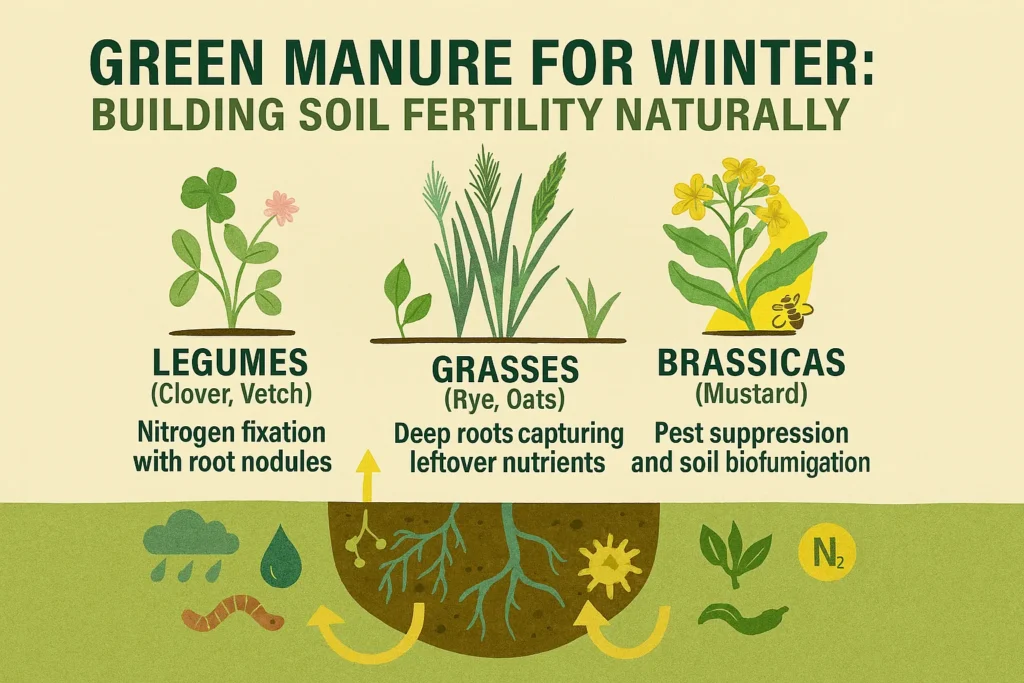
Green manures are not just about covering soil—they actively feed it. Legumes like clover or vetch fix atmospheric nitrogen, grasses like rye scavenge nutrients, and brassicas like mustard suppress pests. By mixing these groups, you create a balanced soil‑building system that works even in the coldest months.
The beauty of using fast-growing winter cover crops as green manure for winter is that they don’t just protect the soil surface—they actively transform it beneath your feet. Gardeners often notice that after incorporating clover or vetch, spring crops require less fertilizer and show stronger early growth. The twist here is that while many assume cover crops are only for large farms, even small raised beds can benefit from this natural fertility cycle, proving that soil health is scalable no matter the garden size.
👉 For more container-based fertility tips, check our What to do with old plant pots guide.
🌿 No-Dig Gardening Cover Crops: A Perfect Match
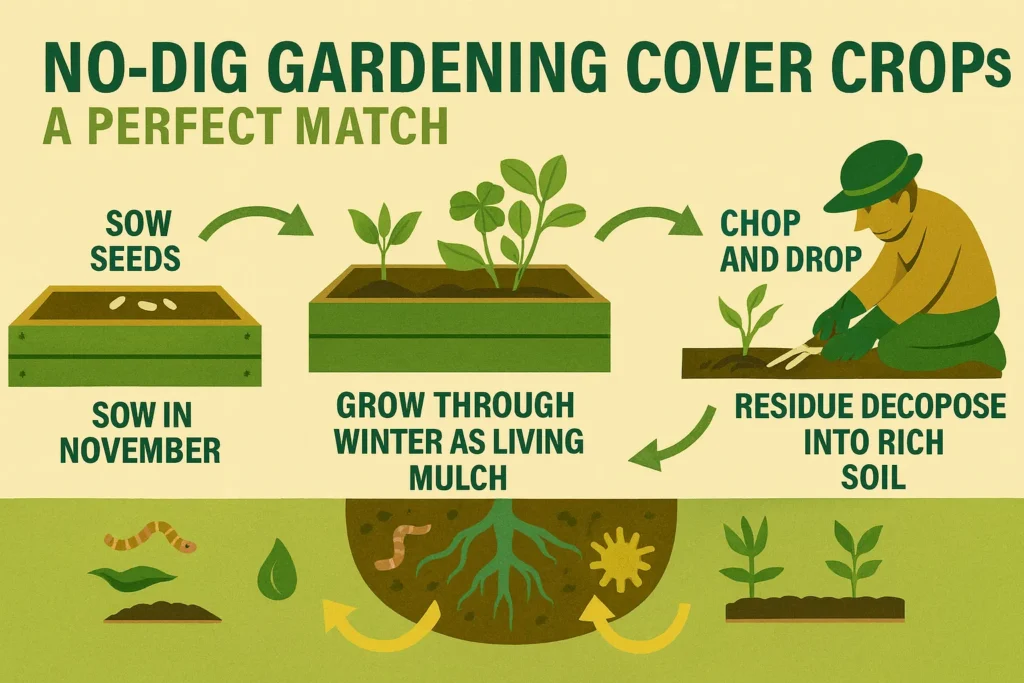
No-dig gardening relies on minimal soil disturbance, and cover crops fit seamlessly into this philosophy. Instead of tilling them under, you simply sow in November, let them grow through winter, and chop them down in spring. The residue becomes mulch, feeding soil life and suppressing weeds.
What makes no-dig gardening cover crops so effective is their ability to create a living mulch that evolves with the seasons. For example, winter rye sown in November can be cut back in spring and left as a thick mat, reducing the need for imported compost or bark mulch. This approach not only saves money but also keeps the soil ecosystem intact. The twist? Some gardeners report that these residues even deter slugs and pests, showing that fast-growing winter cover crops can serve as both soil builders and natural pest managers.
👉 For more no-dig inspiration, see our cold frame gardening guide, and regenerative strategies, see NM Healthy Soil’s no‑till winter cover crop guide, which explores crop rotations and soil armor techniques.
🌱 Cover Crops for Winter: Quick-Growing Options
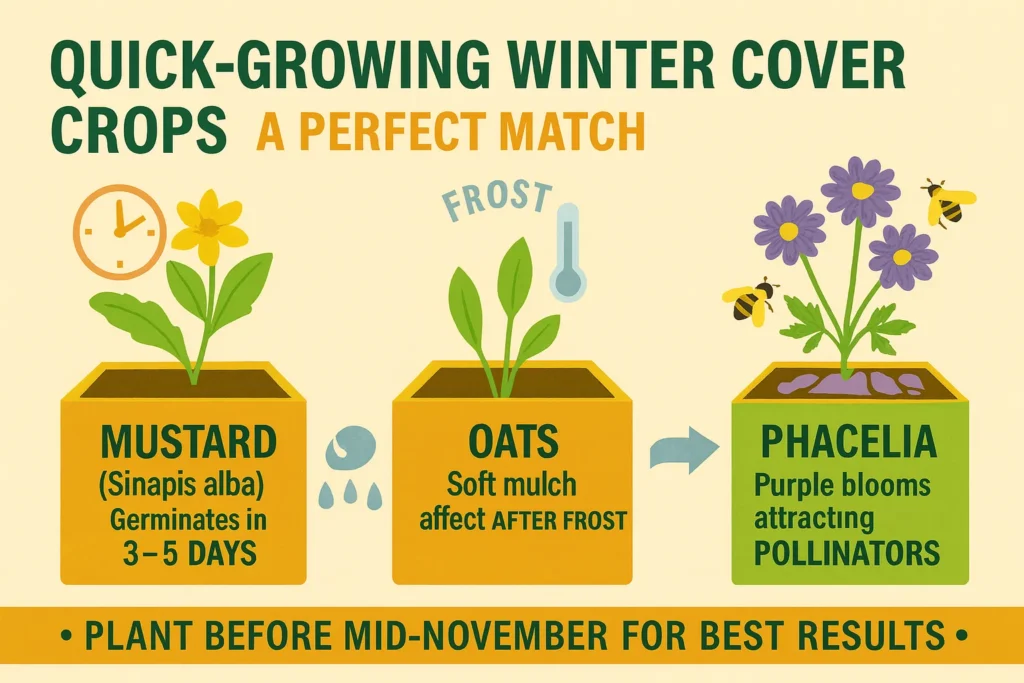
If you’re short on time before hard frosts, choose species that establish rapidly: mustard, oats, and phacelia. These ensure your soil isn’t left bare, even if planted late in November.
The real advantage of these cover crops for winter is their speed. Mustard, for instance, can germinate in just a few days, creating a protective canopy before frost sets in. Oats, on the other hand, may winter-kill but leave behind a soft mulch that’s perfect for no-dig systems. Here’s the twist: while many gardeners see these crops as “temporary,” their short life cycles can actually be leveraged to create succession plantings, where one fast-growing winter cover crop hands off soil benefits to the next season’s vegetables seamlessly.
🌿 No Dig Cover Crop for Raised Beds
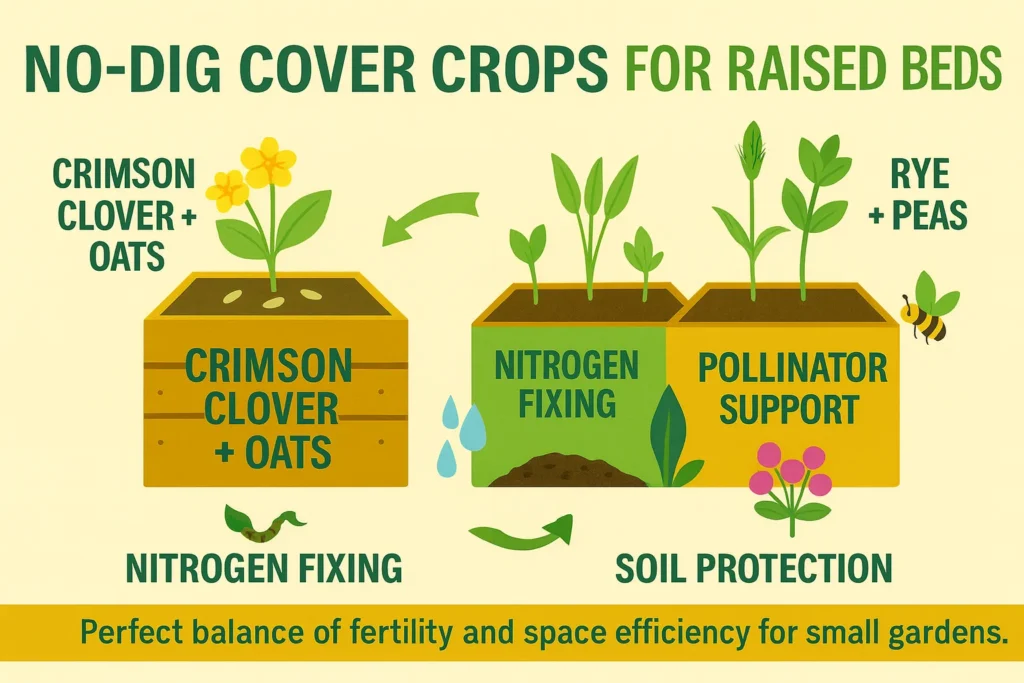
Raised beds warm up faster but also lose nutrients more quickly. Cover crops are essential here: crimson clover for nitrogen, winter rye for erosion control, and field peas for fertility. Choose compact species that won’t overwhelm a limited space.
Raised beds also give you the chance to experiment with creative mixes of no-dig gardening cover crops. For example, pairing crimson clover with oats not only balances nitrogen fixation with organic matter but also creates a living mulch that looks surprisingly ornamental through winter. Gardeners who try this often find themselves rethinking the role of cover crops—not just as soil protectors but as part of the garden’s visual appeal. And if you’re curious, some of the best green manure November sowings in raised beds can double as early forage for pollinators in spring, adding another unexpected layer of value.
🌾 How to Sow Fast-Growing Winter Cover Crops in November
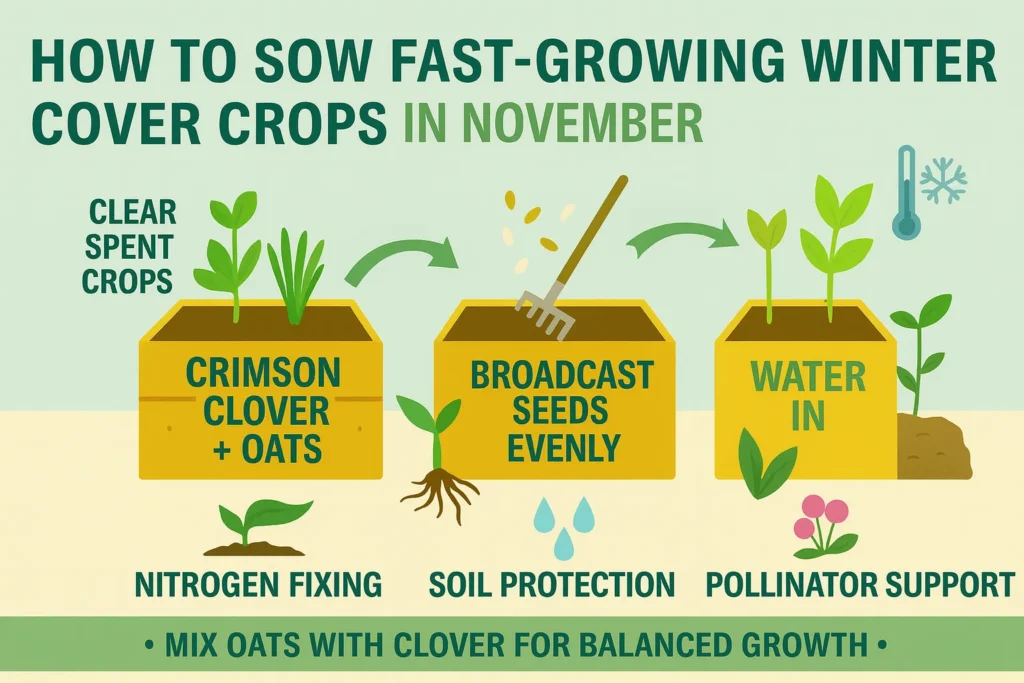
- Prepare the bed by clearing spent crops.
- Broadcast seeds evenly.
- Rake lightly to cover.
- Water in.
- Mulch edges to protect from frost and birds.
When sowing fast-growing winter cover crops, timing is everything. Even a week’s delay in November can mean the difference between a lush carpet of rye and a patchy stand that struggles to establish. To maximize success, many gardeners mix seed types—such as oats with crimson clover—ensuring that if one crop falters, another thrives. The twist is that these blends often outperform single-species sowings, creating a more resilient soil cover that adapts to unpredictable winter weather.
👉 For more indoor-starting techniques, see our cheap grow lights for seedlings guide.
🌍 Managing Cover Crops in Spring
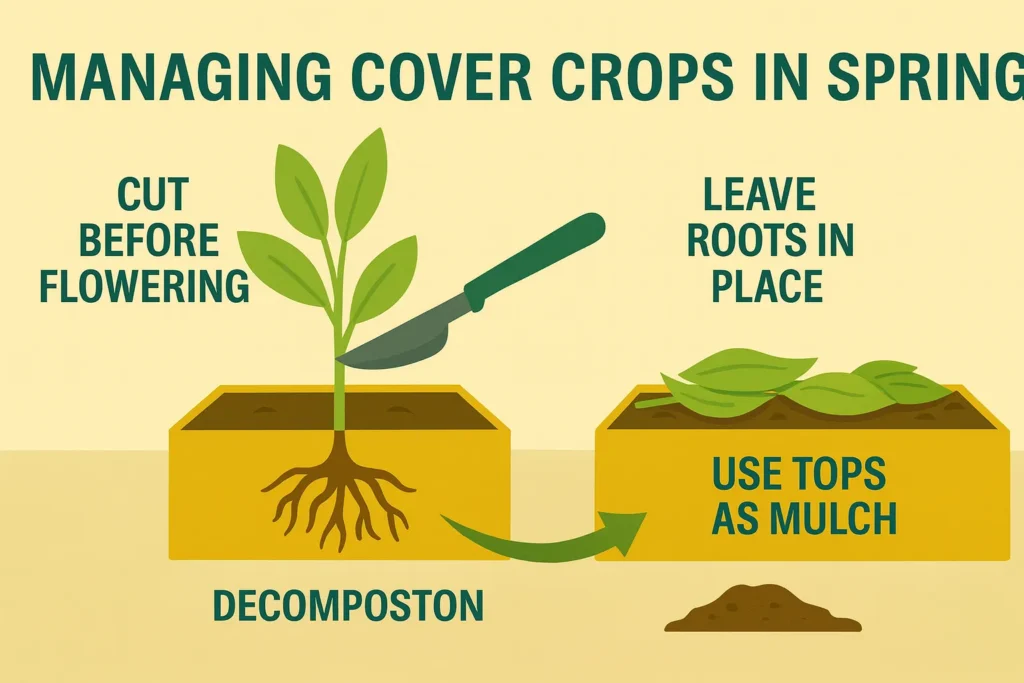
- Cut before flowering.
- Leave roots in place.
- Use tops as mulch.
This no‑dig approach turns your winter cover into a springtime fertility boost.
Another overlooked advantage of fast-growing winter cover crops is how they extend your learning as a gardener. By observing how cover crops for winter behave—whether rye’s roots push deeper than expected or peas struggle in a shaded corner—you gain insights that shape your planting strategies for the entire year. Some growers even treat these crops as “trial runs,” testing soil response before committing to larger plantings. And here’s the twist: what starts as a simple soil‑saving tactic often evolves into a deeper understanding of your garden’s ecosystem, where green manure for winter becomes not just a seasonal fix but a long-term partnership with the land.
🌱 Mistakes to Avoid with Winter Cover Crops
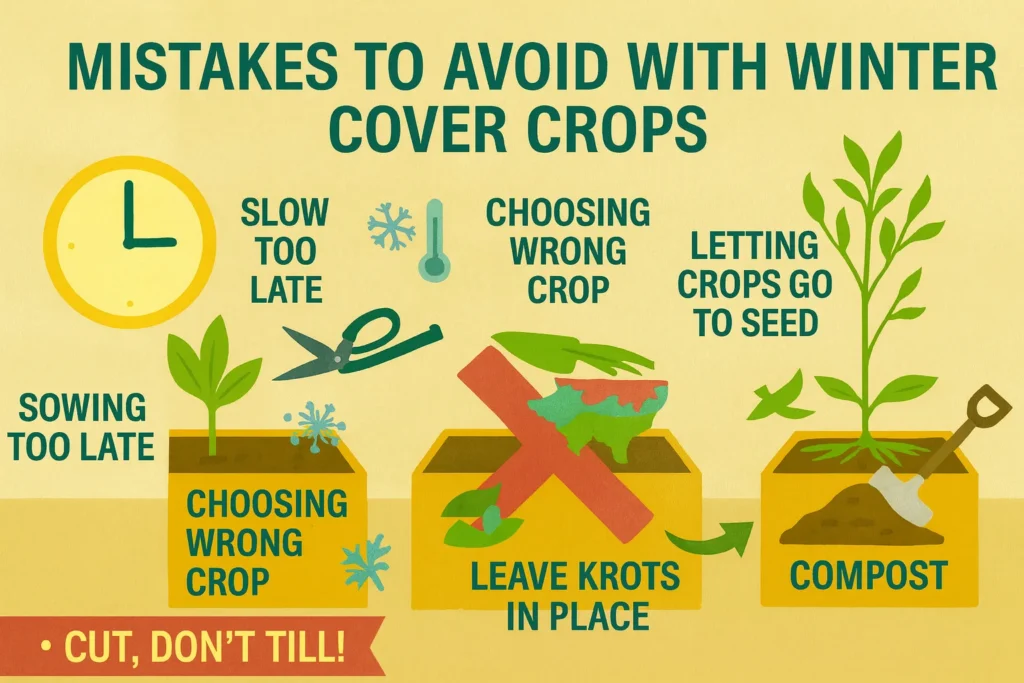
- Sowing too late.
- Choosing the wrong crop for your climate.
- Letting crops go to seed.
- Tilling under in no‑dig systems.
Another common mistake is underestimating the vigor of fast-growing winter cover crops. While they are excellent for soil health, some species, like rye, can become difficult to manage if left too long. For no-dig gardening cover crops, the key is to cut them back before they set seed, turning potential problems into rich mulch. The twist? Some gardeners intentionally let a small patch of flower—like crimson clover to attract pollinators, proving that even “mistakes” can be reframed as opportunities when managed thoughtfully.
👉 For more plant health troubleshooting, check our Why Indoor Plants Turn Yellow In Autumn Guide.
📊 Comparative Snapshot (Infographic‑Ready)
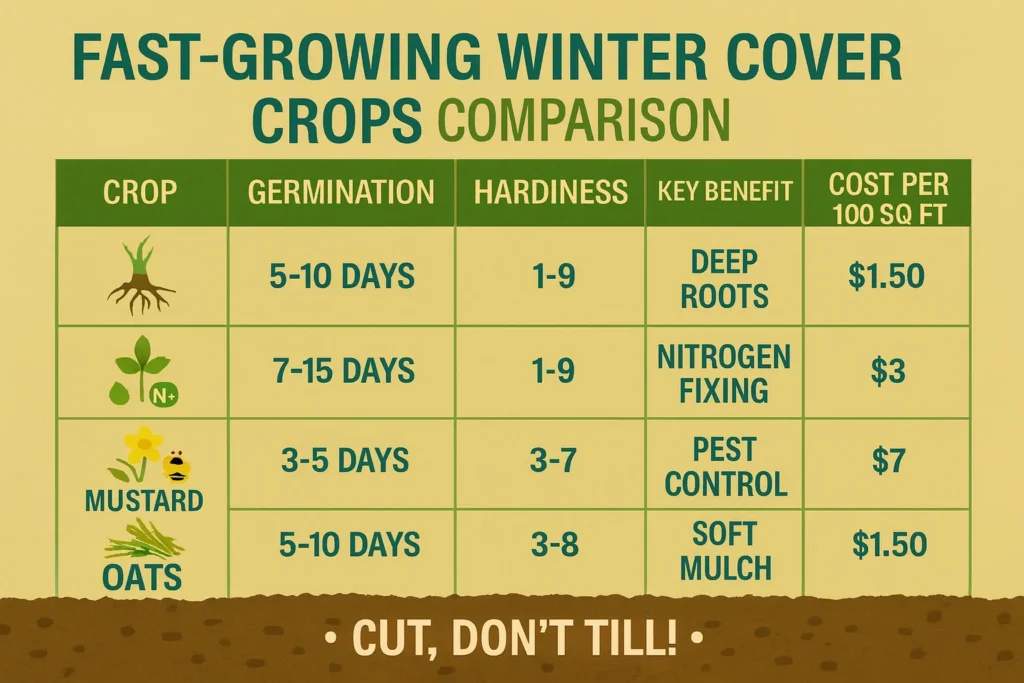
To help you decide which fast-growing winter cover crops best suit your garden, here’s a side-by-side comparison of germination times, hardiness, and costs. This snapshot is especially useful if you’re weighing options for green manure for winter or a no-dig cover crop for raised beds. The twist is that while numbers provide clarity, the real magic often comes from experimenting—sometimes the crop you least expect becomes the star performer in your soil.
| Crop | Germination | Hardiness | Key Benefit | Cost (per 100 sq. ft.) |
|---|---|---|---|---|
| Winter Rye | 7–10 days | Very high | Weed suppression, biomass | $2–3 |
| Field Beans | 10–14 days | High | Nitrogen fixation | $4–5 |
| Mustard | 3–5 days | Moderate | Pest suppression | $1.5–2 |
| Crimson Clover | 7–10 days | Moderate | Nitrogen + pollinators | $3–4 |
| Oats | 7–10 days | Low | Easy mulch | $2–3 |
| Phacelia | 7–14 days | Low‑mod | Pollinator support | $4–5 |
| Field Peas | 7–14 days | Moderate | Nitrogen fixation | $3–4 |
Conclusion
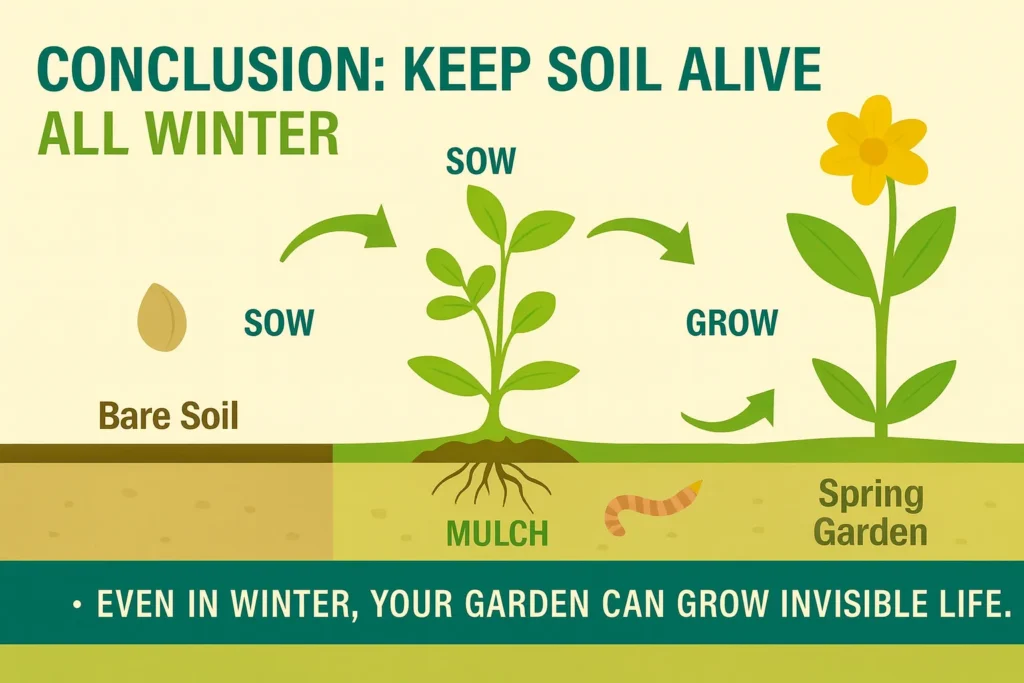
November doesn’t have to mark the end of your gardening year. By sowing fast-growing winter cover crops, you transform the “off-season” into a period of soil regeneration. Whether you’re practicing no-dig gardening cover crops, experimenting with green manure for winter, or protecting raised beds with no-dig cover crops, the principle is the same: living roots keep soil alive.
Instead of bare, lifeless beds, you’ll have thriving soil biology, improved fertility, and a head start for spring planting. The best part? These crops work for you while you rest, ensuring that when the first warm days arrive, your garden is already primed for abundance. part? These crops work for you while you rest, ensuring that when the first warm days arrive, your garden is already primed for abundance.
So why wait for spring to start nurturing your soil? By sowing even a handful of fast-growing winter cover crops, you’re not just protecting your garden—you’re investing in its future. Whether you’re working with no-dig gardening cover crops in raised beds or experimenting with green manure for winter in open plots, each seed you plant is a quiet revolution against soil depletion. The twist? This simple act of sowing in November could be the most powerful thing you do all year for your garden’s health. Start small, stay curious, and let your soil show you what’s possible.
❓ FAQ: Fast-Growing Winter Cover Crops & No-Dig Soil Health
1. What are fast-growing winter cover crops, and why are they important?
Fast-growing winter cover crops are plants sown in late autumn to quickly establish and protect soil during the cold months. They prevent erosion, suppress weeds, and feed soil biology. For no-dig gardeners, these crops act as living mulch and natural fertilizers, making them essential for maintaining soil health without disturbance.
2. Which cover crops for winter grow the fastest in November?
Mustard, oats, and phacelia are among the fastest germinating cover crops for winter. Mustard can sprout in just 3–5 days, while oats and phacelia establish quickly even in cool soil. These are ideal for late-season sowing and work well as the best green manure November options.
3. Can I use fast-growing winter cover crops in raised beds?
Yes, raised beds benefit greatly from no-dig cover crops like crimson clover, field peas, and winter rye. These crops are compact, nutrient-rich, and easy to manage, making them perfect for small spaces. They also help retain moisture and prevent nutrient loss during winter.
4. How do fast-growing winter cover crops improve soil fertility?
Many fast-growing winter cover crops act as green manure for winter by fixing nitrogen, adding organic matter, and stimulating microbial activity. Legumes like clover and field beans enrich the soil naturally, while grasses like rye improve structure and tilth.
5. Do I need to till cover crops into the soil in spring?
Not in a no-dig system. Instead of tilling, simply chop down the cover crops before flowering and leave the residue on the surface. This aligns with no-dig gardening cover crops principles and helps preserve soil structure while feeding beneficial organisms.
6. What’s the best green manure to sow in November for pest control?
Mustard is a top choice for pest-prone soils. It acts as a biofumigant, suppressing nematodes and soil-borne diseases. Its fast growth and dense canopy also help block winter weeds, making it one of the best green manure November options.
7. Can I mix different fast-growing winter cover crops together?
Absolutely. Mixing species like oats with crimson clover or rye with field peas creates a balanced blend of nitrogen fixation, biomass, and weed suppression. These combinations often outperform single-species sowings and are ideal for both open plots and no-dig cover crops for raised beds.
8. What mistakes should I avoid when planting winter cover crops?
Common mistakes include sowing too late, choosing crops unsuited to your climate, and letting them go to seed. In no-dig systems, avoid tilling under the crops—cut and drop instead. Managing fast-growing winter cover crops properly ensures they work for you, not against you.




6 Comments on “November No-Dig & Cover Crops: Best Fast-Growing Winter Cover Crops for Soil Health”