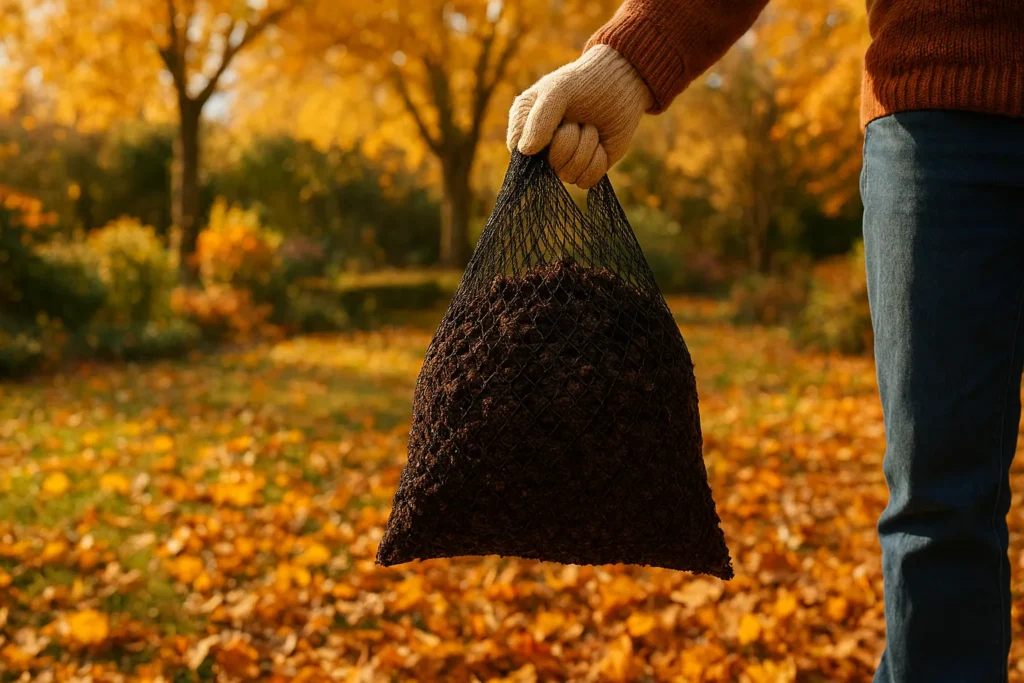
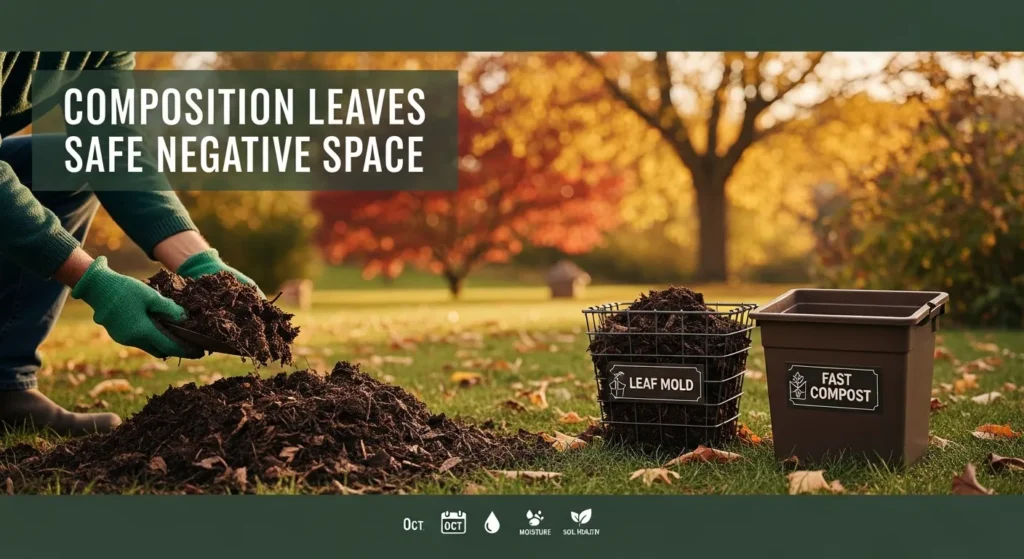
Introduction: October’s Golden Opportunity October transforms gardens into a canvas of amber, gold, and crimson. For many, fallen leaves are a nuisance — something to rake, bag, and discard. However, for gardeners, these leaves are a valuable resource that can be turned into leaf mold compost or quick compost. Both methods recycle autumn’s abundance into soil-boosting gold. This guide will walk you through the step-by-step process of collecting, preparing, and transforming leaves into valuable organic matter. Whether you want the slow, fungal richness of leaf mold or the quick, nutrient-packed boost of hot compost, October is the perfect time to start. Many gardeners underestimate just…
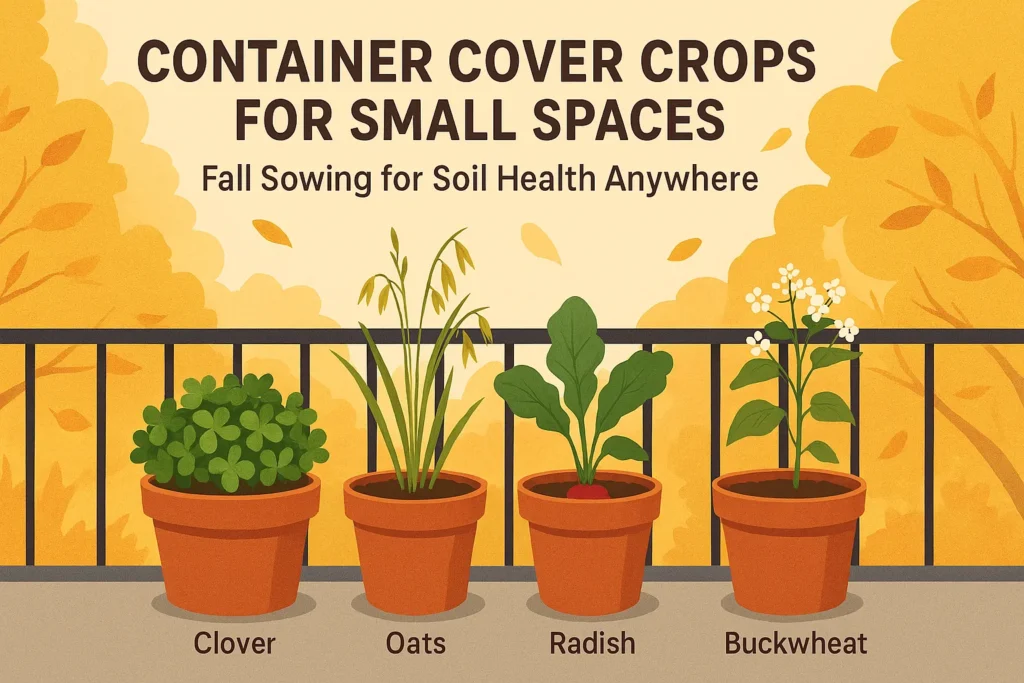
Introduction: Rethinking Soil Care in Small Spaces Most people think of cover crops as something reserved for sprawling farms or backyard plots. But here’s the twist: even a balcony container or patio pot can host a mini soil-reviving ecosystem. By sowing cover crops in containers during fall, you’re not just filling pots with greenery—you’re building living soil, cutting down on fertilizer needs, and creating a pollinator-friendly corner that thrives long after the season ends. This guide will show you how to choose the right cover crops, sow them in containers, and manage them for maximum soil health. Whether you’re working…
Introduction: Why Leaf Mold Deserves a Place in Every Garden Every autumn, gardeners face the same dilemma: mountains of fallen leaves. Most people bag them up for disposal, some toss them into a slow compost pile, and a few simply let them rot in a forgotten corner. But what if I told you those leaves could become a gardener’s secret weapon — and not in a year, but in just 6–8 weeks? That’s the magic of leaf mold. It’s not compost, it’s not mulch, and it’s not waste. It’s a fungal-rich soil conditioner that can transform the way your garden…
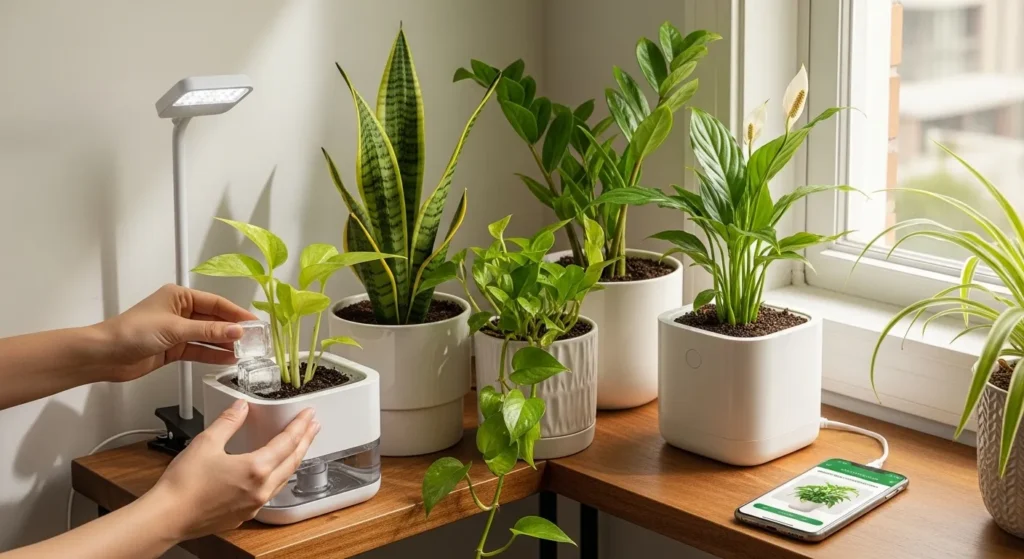
Indoor gardening has experienced a surge in popularity over the past decade, and it’s easy to see why. From city apartments to suburban homes, people are discovering the joy of bringing greenery indoors. But here’s the truth: while the idea of lush, thriving plants sounds wonderful, many beginners quickly feel overwhelmed. Between watering schedules, light requirements, soil mixes, and pest control, indoor gardening can feel like a full-time job. For a deeper dive into the basics, check out this beginner’s guide to houseplants. That’s where low-maintenance indoor gardening hacks come in. With the right strategies, you can enjoy the beauty…
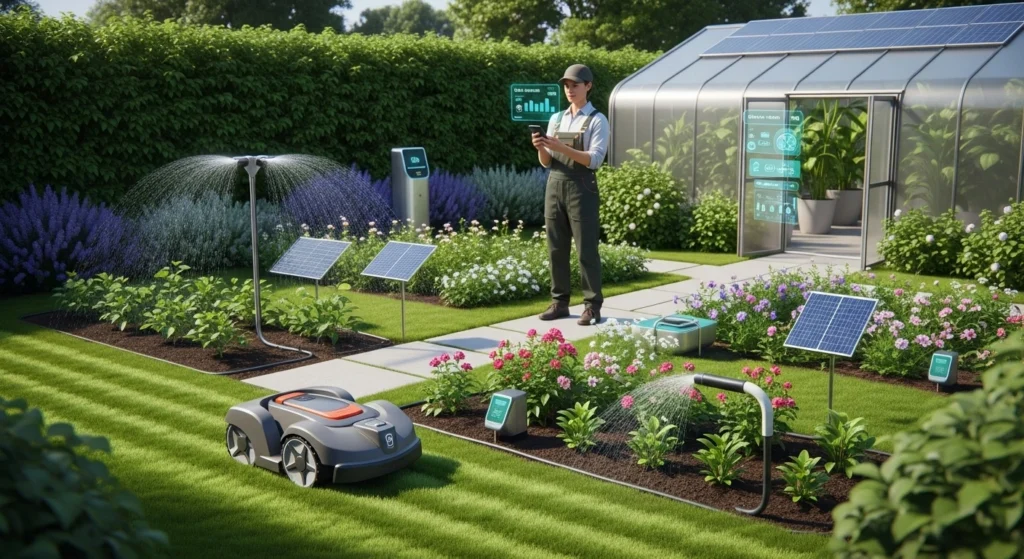
Introduction Gardening has always been a blend of patience, creativity, and care. But in 2025, the way we grow and maintain our gardens is being transformed by technology. From AI gardening tools that can detect plant diseases instantly to smart gardening devices for small spaces, the future of gardening is smarter, greener, and more accessible than ever before. This guide is your ultimate resource on how artificial intelligence and smart devices are reshaping gardening. We’ll explore the best AI gardening tools for 2025, how robotic gardening tools are changing the way we maintain our outdoor spaces, and why eco-friendly smart…
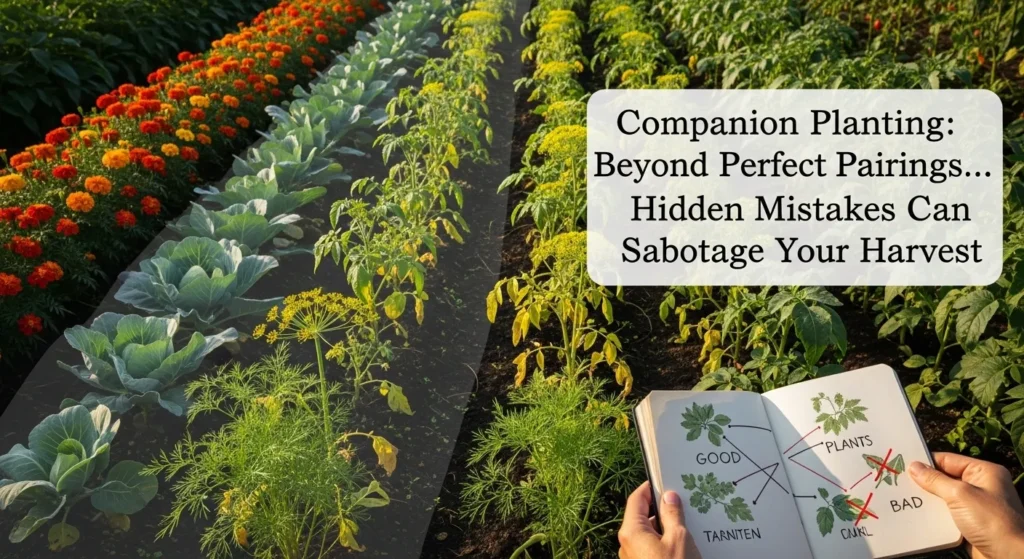
Introduction Most companion planting guides focus on the perfect pairings—tomatoes with basil, beans with corn, marigolds with just about everything. But here’s the truth: knowing what not to plant together is just as important as knowing the “good” combos. Over the years, I’ve seen plenty of gardens fail not because of pests or poor soil, but because of simple companion planting mistakes. These errors are easy to make, especially for beginners, and they can quietly sabotage your harvest. In this guide, we’ll uncover the bad companion plants and overlooked pitfalls that no one really talks about—plus the quick fixes that…
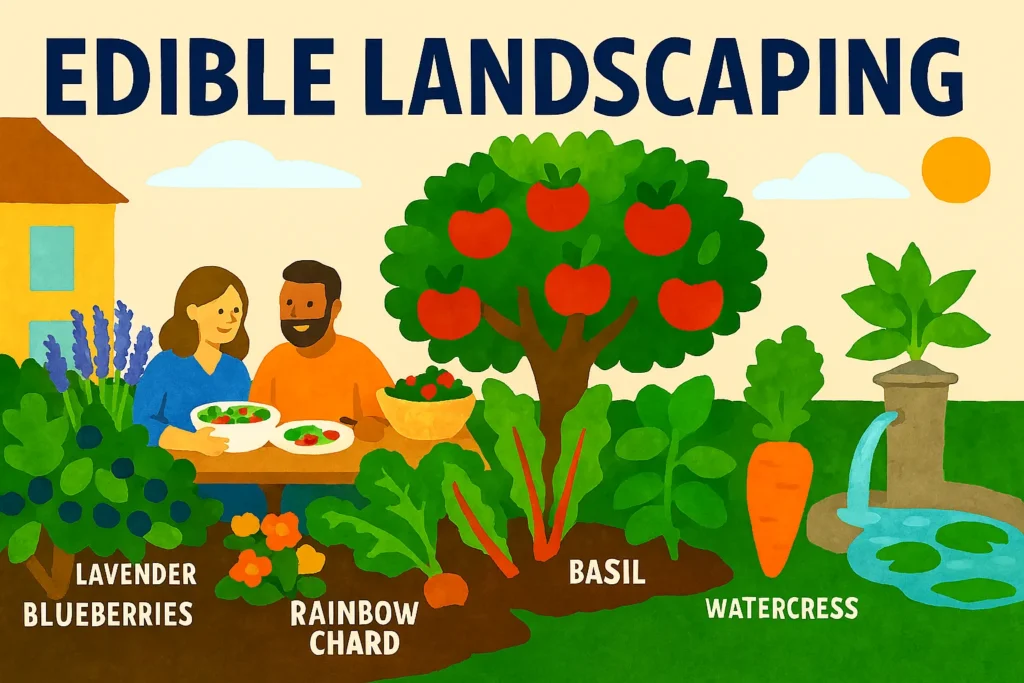
Introduction: Why Settle for Just Pretty When You Can Have Pretty and Productive? Most home gardeners dream of a space that’s both beautiful and useful. Imagine a garden where your flower beds are lined with herbs, your hedges are made of berry bushes, and fruit trees frame your patio. This is the essence of Edible & Functional Landscapes—gardens that nourish the body while delighting the eye. For beginner and intermediate gardeners, the idea of combining design with food production can feel overwhelming. But here’s the good news: with the right edible landscaping ideas, you can transform any space—whether it’s a…
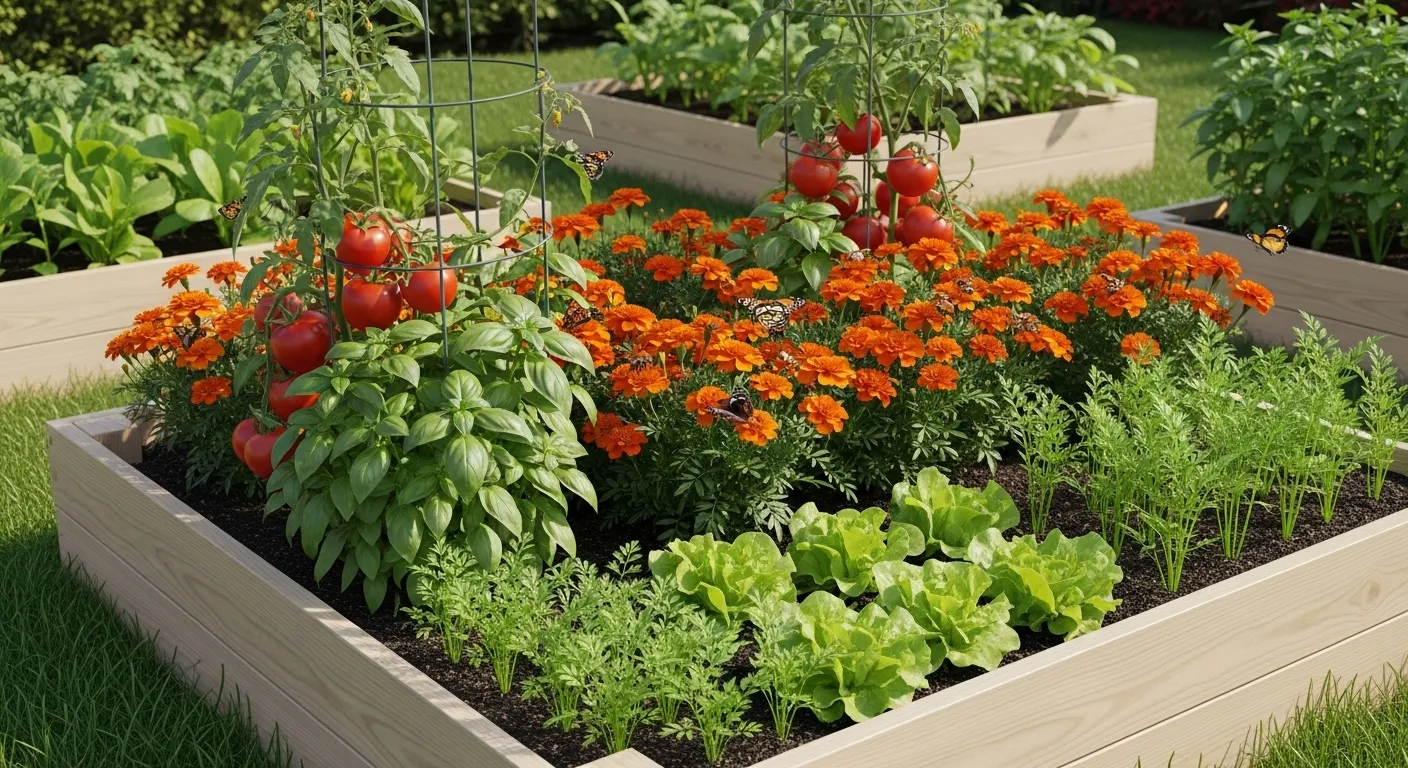
Introduction If you’ve ever wished your raised bed could practically take care of itself—producing more vegetables, attracting pollinators, and keeping pests at bay—then companion planting for raised beds is your secret weapon. This time-tested gardening method pairs plants that help each other thrive, making the most of your limited space. In this guide, we’ll walk through a month-by-month planting calendar designed for small-space gardeners. Whether you’re working with a 2’x4’ box on your patio or a 4’x8’ bed in your backyard, you’ll learn exactly what to plant, which companions to pair, and how to keep your soil healthy all year…
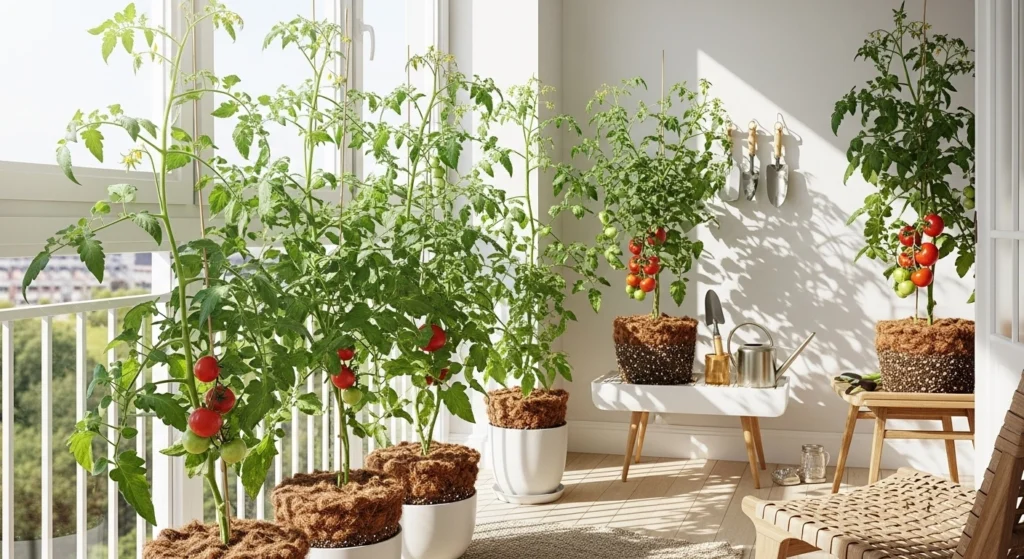
Introduction If you’ve ever dreamed of plucking fresh, juicy tomatoes straight from a vine in your kitchen or balcony, you’re not alone. In 2025, soil-free gardening is booming—from hydroponic farms on city rooftops to compact DIY kits in apartments. More people are asking: “Can I really grow tomatoes without soil?” The answer is yes—and it’s easier than you think. When you choose to Grow Tomatoes in Pots Without Soil, you’re stepping into a gardening method that feels futuristic yet surprisingly simple. Imagine bypassing messy soil altogether and instead relying on clean, nutrient-rich mediums like coco coir or hydroponic water systems.…
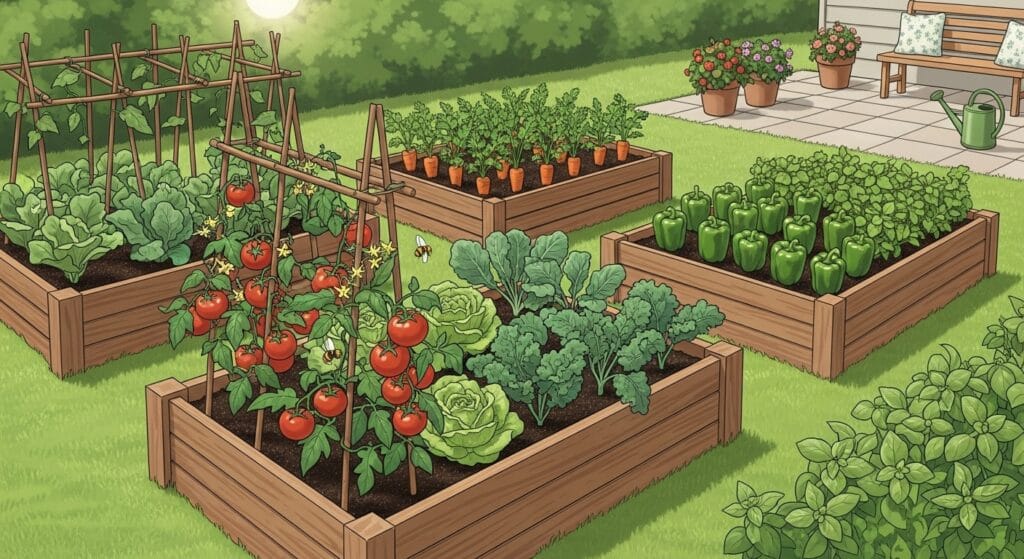
Introduction If you’ve ever dreamed of walking out your back door and harvesting fresh vegetables for dinner, a raised bed garden might be the perfect place to start. Raised bed vegetable gardening has become increasingly popular among homeowners, DIY enthusiasts, and individuals seeking to grow food in a more organized and space-efficient manner. Unlike traditional in-ground gardening, raised beds are simply soil-filled boxes (often wood, stone, or metal) that allow you to control growing conditions. They’re neat, accessible, and productive—even in small yards or patios. For people working with limited space, poor native soil, or mobility challenges, raised beds open…