Table of Contents
Table of Contents
Introduction
Few things are more discouraging for plant lovers than watching a once-thriving houseplant suddenly wilt, yellow, and collapse. You water it, you feed it, you move it closer to the light—but nothing seems to help. The culprit, more often than not, is root rot in potted plants.
Root rot is one of the most common and devastating problems for indoor gardeners. It sneaks up quietly, hidden beneath the soil, until the damage is so advanced that the plant struggles to recover. But here’s the good news: root rot is not a death sentence. With the right knowledge, you can spot the signs early, treat root rot naturally, and prevent it from returning.
This guide will walk you step by step through everything you need to know—what root rot is, how to recognize it, how to fix it without chemicals, and how to create the perfect soil and watering routine to keep your plants safe. Whether you’re a beginner with your first pothos or a seasoned gardener with a jungle of houseplants, this article will give you practical, natural solutions that work.
👉 For more background, see Better Homes & Gardens’ guide on how to fix root rot, which covers symptoms, treatments, and prevention tips.
What Is Root Rot in Potted Plants?
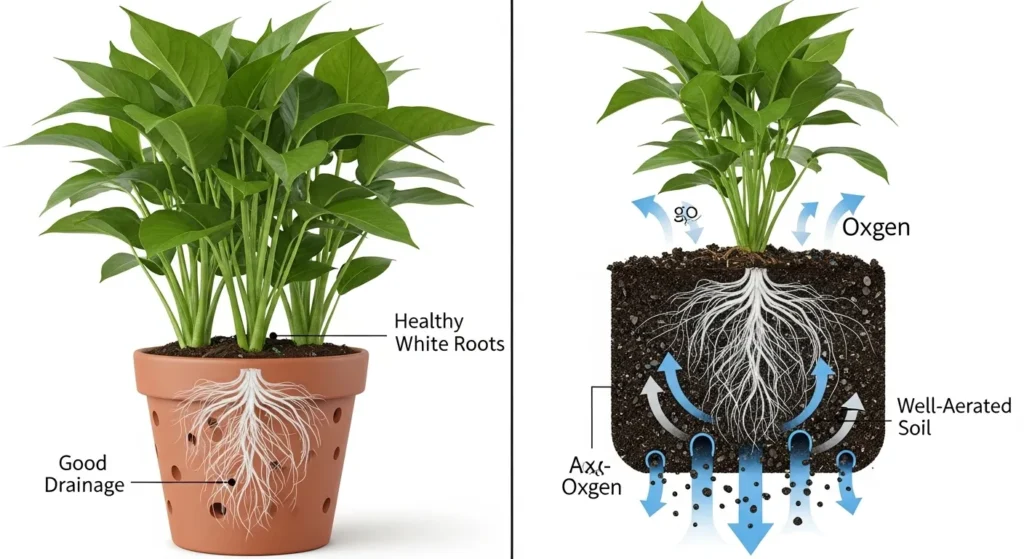
At its core, root rot in potted plants is a fungal or bacterial disease that attacks the roots when they’re deprived of oxygen. Roots need air pockets in the soil to breathe. When soil remains soggy for too long, oxygen becomes depleted, and harmful pathogens such as Pythium, Phytophthora, and Rhizoctonia thrive. These pathogens break down root tissue, turning once-firm white roots into mushy, brown strands.
The tragedy of root rot is that it often goes unnoticed until the plant shows visible distress above the soil. By then, significant damage may already have been done underground. That’s why prevention and early detection are so important.
When you think about root rot in potted plants, it helps to imagine the roots as the plant’s lungs. Just as humans cannot survive without oxygen, roots suffocate when trapped in soggy soil. This lack of oxygen creates the perfect breeding ground for fungi, which spread silently until the plant’s foundation collapses. Many gardeners are surprised to learn that even hardy species, such as snake plants or succulents, can fall victim if their soil stays wet for too long. The twist is that the very care we give—extra water, “just in case”—often becomes the silent killer.
Another overlooked factor is the type of container. Decorative pots without drainage holes may look beautiful, but they trap water at the bottom, accelerating the onset of root rot in potted plants. This is why experienced growers always emphasize function over form: a simple terracotta pot with drainage can save you months of frustration.
👉 To reuse containers sustainably, see our guide on what to do with old plant pots.
Common Signs of Root Rot in Potted Plants
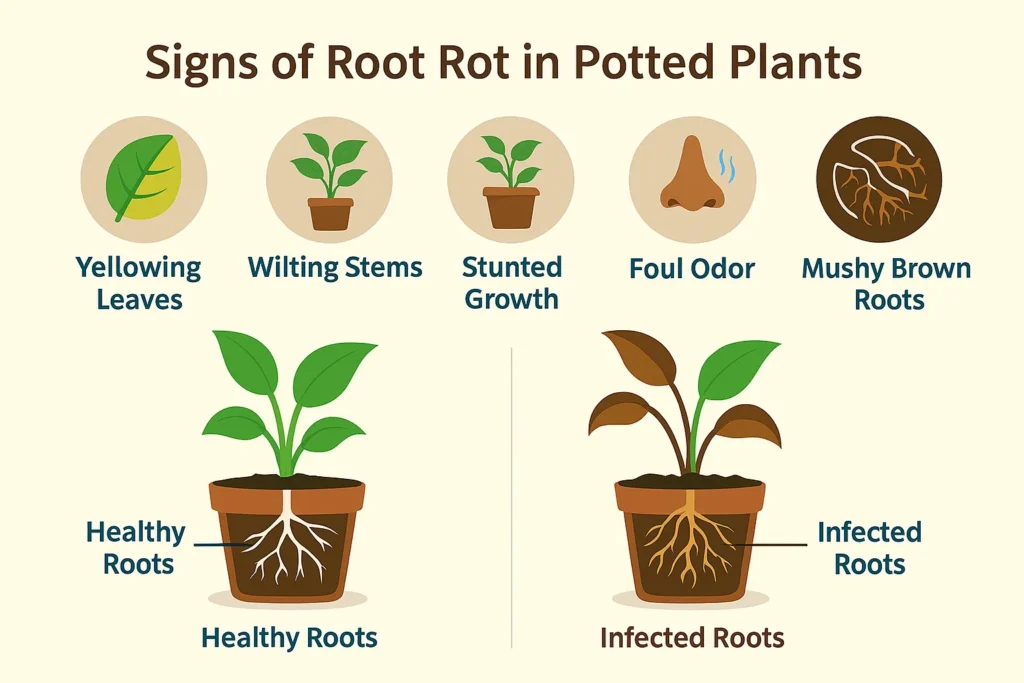
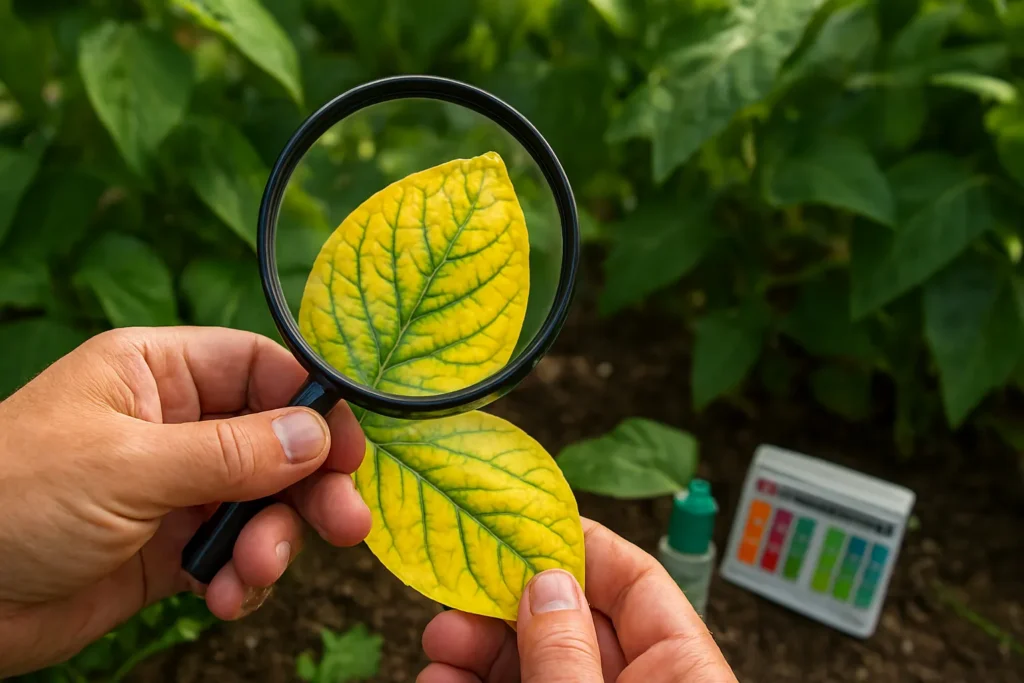
Spotting the symptoms early can mean the difference between saving your plant and losing it. Here are the most common signs of root rot in potted plants:
- Yellowing leaves that drop prematurely
- Wilting or drooping, even when the soil is moist
- Stunted growth or sudden decline in vigor
- Mushy, brown, or black roots when you remove the plant from its pot
- Foul, sour smell coming from the soil
Think of these symptoms as your plant’s SOS signals. If you notice two or more of them, it’s time to investigate the roots.
The tricky part about the signs of root rot in potted plants is that they often mimic other issues, such as nutrient deficiencies or lack of light. A yellowing leaf might tempt you to add fertilizer, but in reality, the roots may already be decaying. This is why lifting the plant from its pot is the ultimate diagnostic step—what you see above the soil can be misleading.
Here’s a twist: sometimes, plants with root rot will actually look overwatered and underwatered at the same time. The leaves droop as if thirsty, but the soil feels wet. This paradox is one of the clearest indicators that you’re dealing with root rot rather than a simple watering mistake.
👉 For more diagnostic help, see Houseplant 101’s step‑by‑step guide to spotting and fixing root rot.
Causes of Root Rot in Houseplants
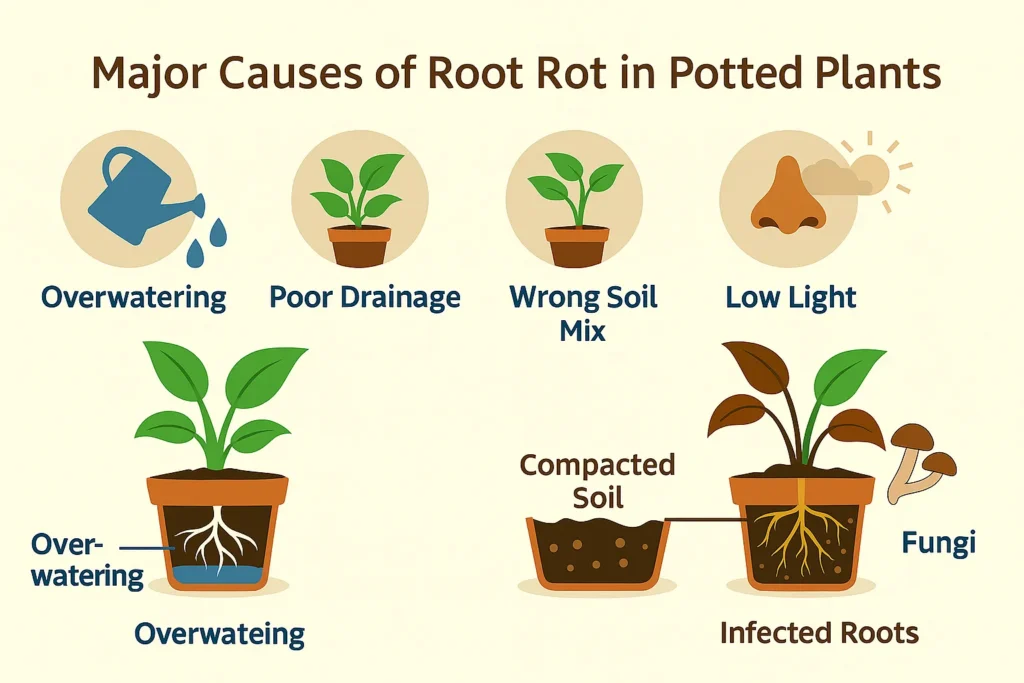
Understanding the causes helps you prevent root rot before it starts. The most common triggers include:
- Overwatering: The number one cause. Constantly wet soil suffocates roots.
- Poor drainage: Pots without drainage holes or compacted soil trap water.
- Wrong soil mix: Heavy garden soil or peat-heavy mixes hold too much moisture.
- Cool, dark environments: Low light slows evaporation, keeping soil damp.
How Overwatering Leads to Root Rot
When you water too often, soil pores fill with water instead of air. Roots suffocate, weaken, and become vulnerable to pathogens. This is why overwatering root rot fix searches are so common—most plant owners don’t realize they’re killing with kindness.
The irony is that many plant owners believe they are being attentive by watering frequently, when in fact they are setting the stage for disaster. The most effective overwatering root rot fix is not a product but a change in habit: learning to wait until the soil truly dries before reaching for the watering can. This small shift in mindset can prevent countless cases of root rot in potted plants.
Another subtle cause is seasonal change. In winter, plants grow more slowly and use less water, yet many people continue watering on a summer schedule. This mismatch between plant needs and human routine is one of the hidden reasons root rot strikes during colder months.
How to Fix Root Rot Naturally (Step-by-Step)
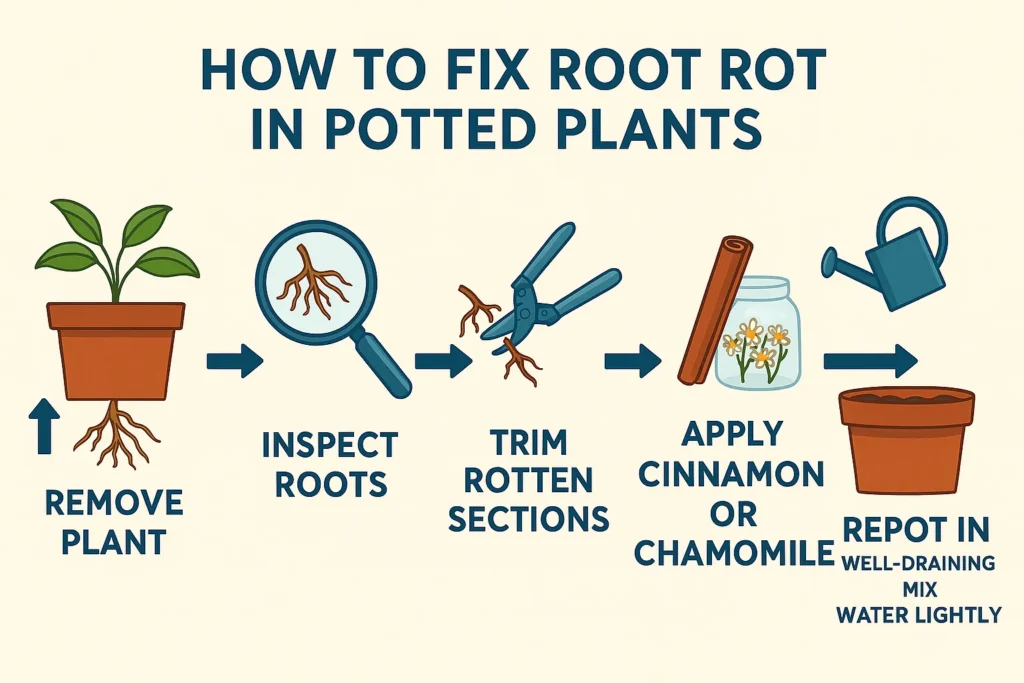
If you’ve confirmed root rot, don’t panic. You can often save the plant with a careful, natural approach. Here’s a step-by-step guide on how to fix root rot naturally:
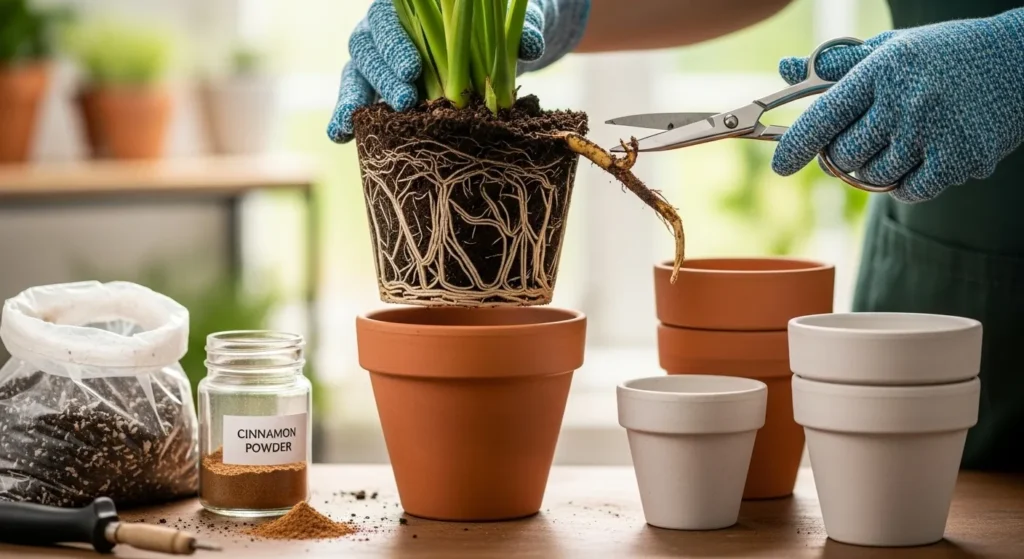
- Remove the plant from its pot: Gently slide the plant out and shake off excess soil.
- Inspect the roots: Healthy roots are firm and white. Diseased roots are mushy, brown, or black.
- Trim affected roots: Use sterilized scissors to cut away all rotted sections. Always disinfect between cuts.
- Disinfect naturally: Instead of harsh chemicals, use natural remedies:
- Cinnamon powder (a natural antifungal)
- Diluted hydrogen peroxide solution (3% mixed with water)
- Chamomile tea rinse
- Repot in fresh soil: Choose a well-draining mix with perlite, orchid bark, or coco coir.
- Water sparingly: After repotting, water lightly and let the soil dry slightly before watering again.
Natural Remedies That Work
If you want to treat root rot without chemicals, here are proven natural options:
- Cinnamon powder: Dust on cut roots to prevent fungal growth.
- Neem oil: Diluted spray for soil and roots.
- Chamomile tea: Gentle antifungal rinse.
- Hydrogen peroxide solution: Oxygenates soil and kills pathogens.
These remedies are safe, affordable, and effective for most houseplants.
When learning how to fix root rot naturally, patience is just as important as the remedies themselves. After trimming and repotting, don’t expect instant recovery—plants may take weeks to push out new growth. During this time, resist the urge to overwater or fertilize heavily, as stressed roots need time to rebuild.
One fascinating twist is that some plants, like pothos or philodendrons, can be propagated from healthy cuttings even if the mother plant is too far gone. This means that even in the worst cases of root rot in potted plants, you can often salvage part of the plant and start fresh. It’s a reminder that nature is resilient, and with the right care, your green companion can have a second life.
👉 For more natural treatment strategies, see Live to Plant’s root rot elimination guide.
How to Prevent Root Rot in Houseplants
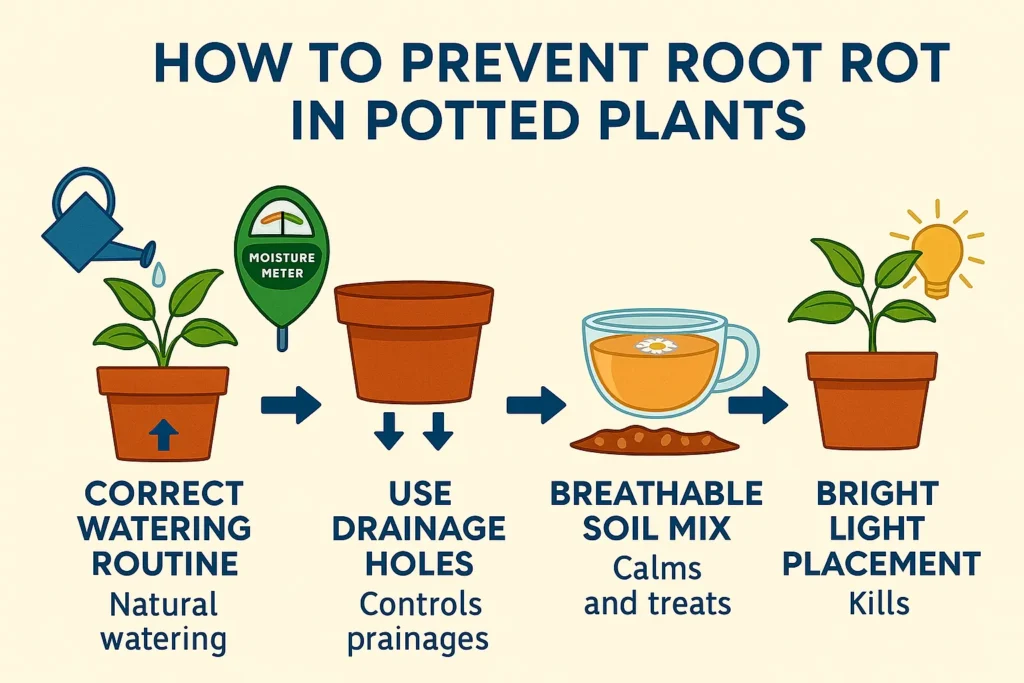
The best cure is prevention. Once you’ve saved your plant, focus on building habits that keep root rot from returning.
- Water wisely: Only water when the top 1–2 inches of soil are dry.
- Choose the right pot: Always use containers with drainage holes.
- Use breathable soil: Mix in perlite, pumice, or bark for airflow.
- Avoid oversized pots: Too much soil around roots stays wet longer.
- Provide proper light: Bright, indirect light helps soil dry evenly.
To truly prevent root rot in houseplants, think of your care routine as a balance between water, air, and light. Overemphasize one, and the others suffer. For example, watering generously without ensuring airflow around the pot can still create damp, stagnant conditions. A small fan or simply spacing plants apart can dramatically reduce the risk of fungal growth.
Another overlooked prevention method is rotating your pots. By turning them every few weeks, you ensure even light exposure and more consistent drying of the soil. This simple habit, combined with mindful watering, can make the difference between thriving greenery and recurring root rot in potted plants.
👉 For more season-extension ideas, check our cold frame gardening guide.
Best Soil for Preventing Root Rot
Soil choice is critical. The best soil for preventing root rot is light, airy, and drains quickly. A good recipe is:
- 40% high-quality potting mix
- 30% perlite or pumice
- 20% orchid bark or coco coir
- 10% compost for nutrients
This mix balances moisture retention with airflow, keeping roots healthy.
The best soil for preventing root rot is not just about ingredients but also about texture. When you squeeze a handful of the mix, it should feel light and crumbly, not dense or sticky. This structure allows water to drain quickly while still holding enough moisture for roots to absorb. Think of it as creating a breathable mattress for your plant’s roots.
For those who love experimenting, adding biochar or coarse sand can further improve drainage and microbial balance. These additions not only help prevent root rot in potted plants but also enrich the soil ecosystem, making it more resilient against future fungal attacks.
👉 To enrich soil naturally, learn how to make leaf mold fast.
Case Study: Saving a Pothos from Root Rot
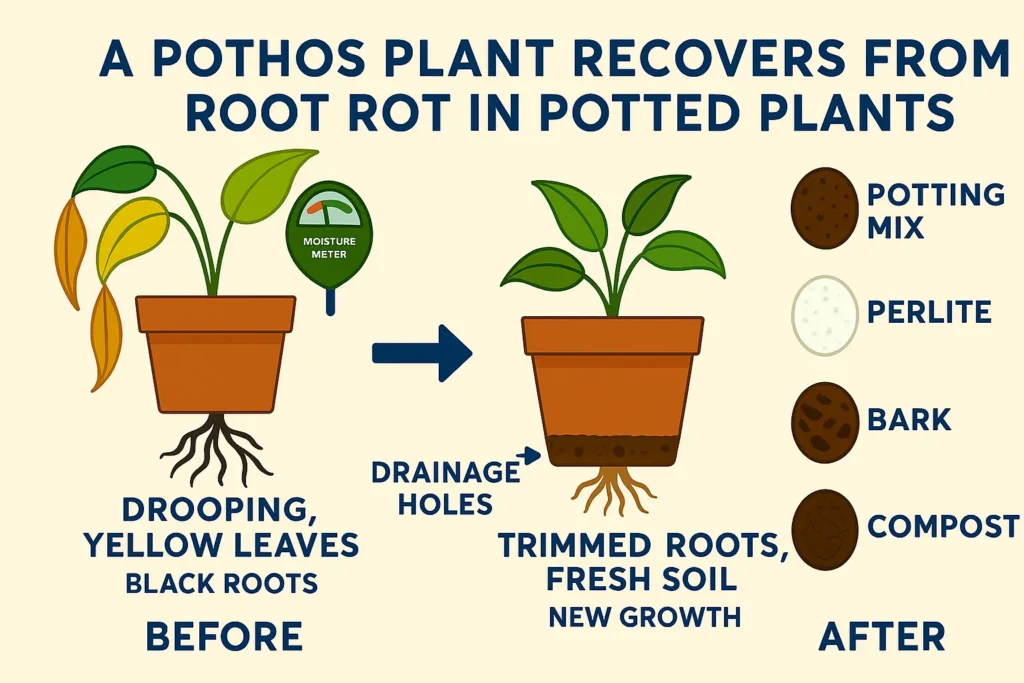
To make this practical, let’s look at a real example. A golden pothos in a ceramic pot began yellowing and drooping. The owner watered every three days, thinking it needed more care. When unpotted, the roots were black and mushy.
Following the natural root rot treatment steps:
- Diseased roots were trimmed.
- Cinnamon powder was applied.
- The plant was repotted in a perlite-rich mix.
- Watering was reduced to once every 10–12 days.
Within six weeks, new white roots appeared, and fresh green leaves unfurled. This shows that even badly affected plants can recover with the right approach.
What’s fascinating about this case is how quickly the plant bounced back once the conditions were corrected. It highlights that knowing how to fix root rot naturally is often more effective than relying on chemical fungicides. By choosing to treat root rot without chemicals, the owner not only saved the plant but also avoided introducing harsh substances into their home environment.
This story also underscores the importance of observation. The owner noticed the signs of root rot in potted plants early enough to act decisively. Many gardeners hesitate, hoping the plant will “sort itself out,” but swift action is often the key to success.
👉 For more flower inspiration, explore our unique yellow flowers guide.
Lifestyle Hacks to Keep Plants Rot-Free
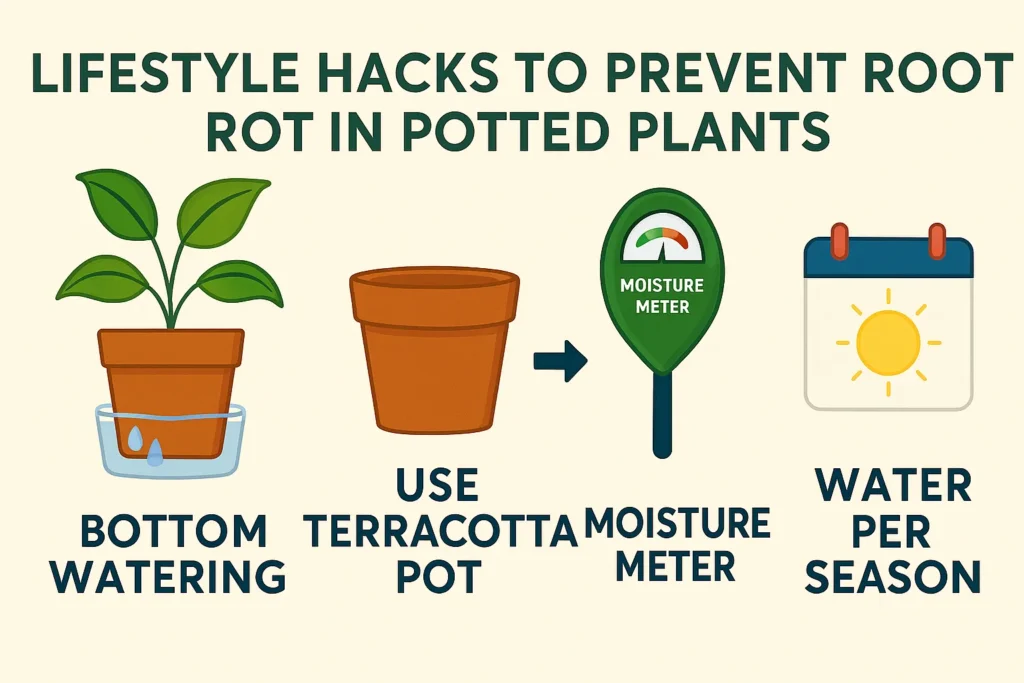
- Bottom watering: Place pots in a tray of water and let roots absorb what they need. Prevents overwatering.
- Moisture meters: Affordable tools that tell you when soil is truly dry.
- Terracotta pots: Naturally porous, they wick away excess moisture.
- Seasonal adjustments: Water less in winter when growth slows.
These small changes make a big difference in preventing root rot in potted plants long-term.
Conclusion
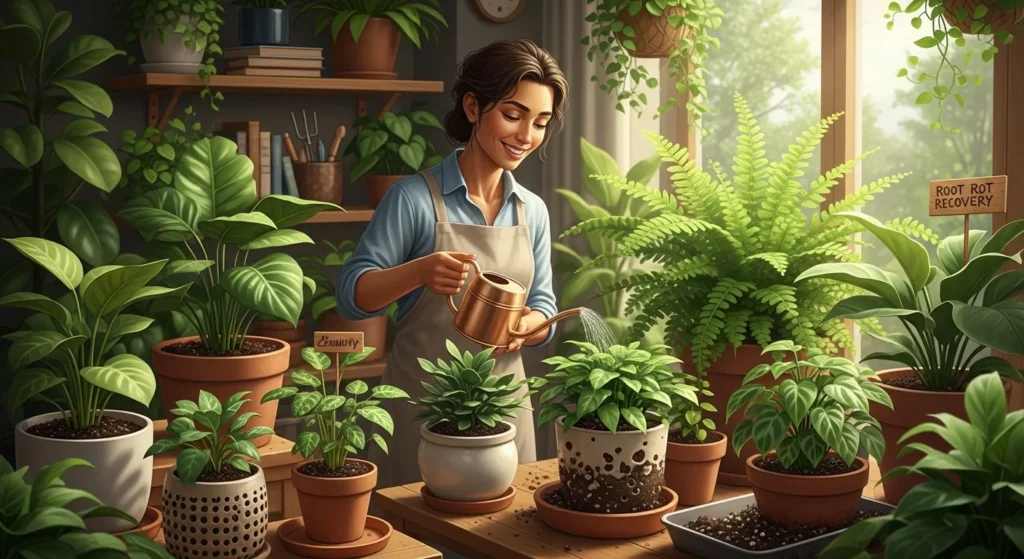
Root rot in potted plants may be one of the most dreaded problems for houseplant owners, but it doesn’t have to spell disaster. By learning to recognize the early signs, treating affected plants with natural remedies, and building prevention into your daily care routine, you can protect your indoor garden from this silent killer.
Remember: healthy roots mean healthy plants. With the right soil, smart watering habits, and a little natural support, your plants will not only survive but thrive. The next time you see yellowing leaves or drooping stems, you’ll know exactly what to do—and your plants will thank you with lush, vibrant growth.
Caring for plants is never just about keeping them alive; it’s about building a relationship with them. When you learn to recognize and respond to the early warnings of root rot in potted plants, you’re not only saving greenery—you’re sharpening your instincts as a grower. Each time you successfully treat root rot without chemicals or adjust your watering habits to prevent root rot in houseplants, you’re becoming more attuned to the subtle rhythms of nature. That awareness is what separates casual caretakers from truly experienced plant keepers.
There’s also a deeper satisfaction in knowing that the solutions are simple, natural, and accessible. You don’t need expensive products or complicated routines—just observation, patience, and the right soil. The twist is that the very problem that frustrates so many gardeners can become your greatest teacher. By mastering the art of prevention and learning how to fix root rot naturally, you’ll not only protect your current collection but also gain the confidence to expand it. In the end, every thriving leaf and every new root is proof that your care—and your knowledge—made the difference.
👉 To stay ahead of design trends, discover why faded petal pink is set to dominate gardens.
🌿 Frequently Asked Questions About Root Rot in Potted Plants
Q1: Can a plant recover from root rot in potted plants?
Yes, many plants can recover if the damage isn’t too advanced. The key is to act quickly: trim away the mushy roots, repot in fresh, well-draining soil, and adjust your watering habits. Knowing how to fix root rot naturally—with remedies like cinnamon, neem oil, or chamomile tea—can make recovery smoother and safer for both the plant and your indoor environment.
Q2: What are the first signs of root rot in potted plants?
The earliest signs of root rot in potted plants include yellowing leaves, drooping stems despite moist soil, and a sour smell from the pot. If you gently tug the plant and it feels unstable, that’s another red flag. Catching these symptoms early gives you the best chance to treat root rot without chemicals and save your plant.
Q3: How do I prevent root rot in houseplants long-term?
To prevent root rot in houseplants, focus on three things: soil, pot, and watering. Use the best soil for preventing root rot—a light, airy mix with perlite or bark. Always choose pots with drainage holes, and water only when the top inch of soil is dry. These simple habits dramatically reduce the risk of rot and keep roots healthy.
Q4: Is overwatering always the cause of root rot?
Overwatering is the most common cause, but not the only one. Poor drainage, compacted soil, or low light can also contribute. The best overwatering root rot fix is to let the soil dry properly between waterings and ensure your potting mix drains well. Think of it as creating a balance: roots need both moisture and oxygen to thrive.
Q5: Can I treat root rot without chemicals?
Absolutely. Many gardeners prefer to treat root rot without chemicals by using natural antifungals like cinnamon powder, neem oil, or diluted hydrogen peroxide. These remedies are effective, affordable, and safe for indoor use. They also align with eco-friendly gardening practices, making them a smart choice for long-term plant health.
Q6: What’s the best soil for preventing root rot in potted plants?
The best soil for preventing root rot is one that drains quickly but still holds enough moisture for roots. A mix of potting soil, perlite, and orchid bark is ideal. This combination creates air pockets that keep roots oxygenated, reducing the risk of fungal growth. If you’ve struggled with soggy soil before, switching to this mix can be a game-changer.