
Table of Contents
Table of Contents
Introduction
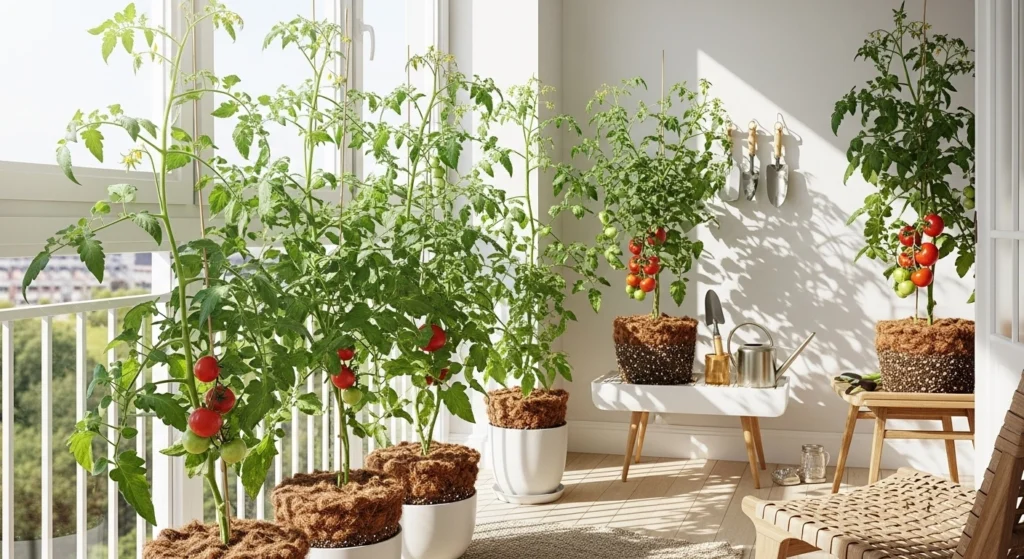
If you’ve ever dreamed of plucking fresh, juicy tomatoes straight from a vine in your kitchen or balcony, you’re not alone. In 2025, soil-free gardening is booming—from hydroponic farms on city rooftops to compact DIY kits in apartments. More people are asking: “Can I really grow tomatoes without soil?” The answer is yes—and it’s easier than you think.
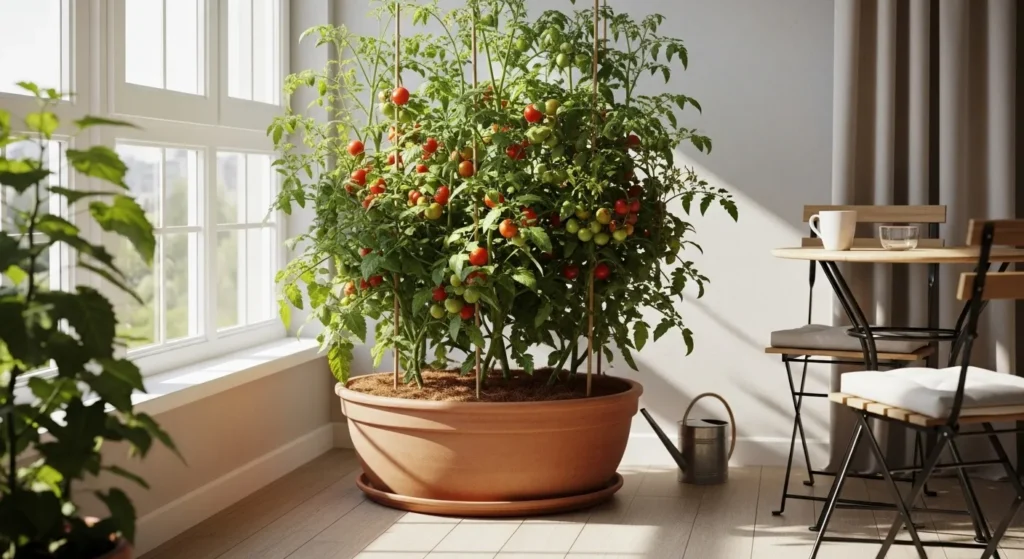
When you choose to Grow Tomatoes in Pots Without Soil, you’re stepping into a gardening method that feels futuristic yet surprisingly simple. Imagine bypassing messy soil altogether and instead relying on clean, nutrient-rich mediums like coco coir or hydroponic water systems. The twist? These setups often produce tomatoes faster than traditional gardens, leaving you wondering why soil was ever considered essential in the first place.
In this guide, I’ll walk you through the step-by-step process of growing tomatoes in pots without soil. Whether you live in a tiny apartment, have limited outdoor space, or want to try a new sustainable method, this article will give you everything you need to succeed.
One of the most exciting aspects of learning to Grow Tomatoes in Pots Without Soil is the flexibility it offers. You can start small with a single pot on your balcony or scale up to a multi-pot system indoors. The curiosity lies in experimenting with different mediums—coco coir, perlite, or even aquaponics—and discovering which one gives your tomatoes the sweetest flavor. This adaptability makes soil-free gardening not just practical but also a creative journey.
By the end, you’ll know exactly how to start your first soil-free tomato garden, avoid beginner mistakes, and enjoy your own sweet, homegrown tomatoes—even if you don’t have a backyard.
The real magic of choosing to Grow Tomatoes in Pots Without Soil is how it transforms your perspective on gardening. Suddenly, your kitchen counter, balcony, or even a sunny windowsill becomes a potential tomato farm. The twist is that you’re not just growing food—you’re experimenting with a method that could redefine urban gardening in the years ahead. Each harvest feels like proof that innovation and tradition can coexist beautifully in your tiny space.
Why Grow Tomatoes Without Soil?
Before we jump into the “how,” let’s talk about the “why.”
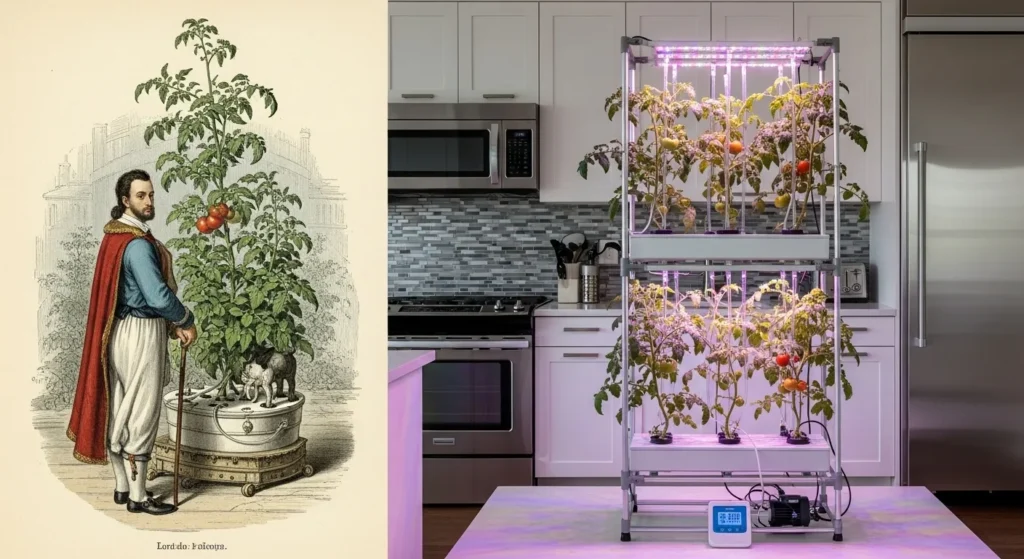
Growing without soil isn’t a new idea. In fact, hydroponics—the science of growing plants in water enriched with nutrients—has been around for centuries. The Hanging Gardens of Babylon are believed to be one of the earliest examples. Fast forward to the 20th century, and hydroponics was used to grow fresh food for astronauts in space.
But in recent years, soil-free gardening has shifted from laboratories and commercial farms to our homes. Urban gardeners, apartment residents, and eco-conscious families are embracing it for one big reason: convenience. No mess, fewer pests, faster growth, and fresh vegetables right where you live.
For tomatoes—the crown jewel of home gardening—this method is especially rewarding. Instead of battling soil-borne diseases or worrying about poor backyard conditions, you can grow thriving plants in pots filled with coco coir, perlite, or nutrient-rich water solutions.
Current Trends in Soil-Free Tomato Gardening
Hydroponics & Aquaponics at Home
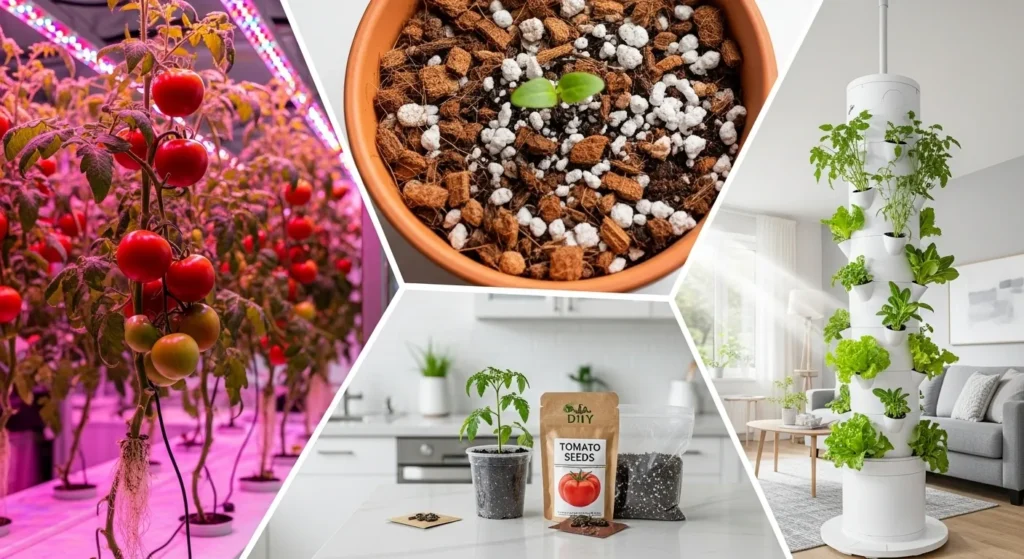
Affordable hydroponic kits allow anyone to grow tomatoes on a kitchen counter. Aquaponics—where fish waste provides nutrients for plants—is also gaining popularity among hobbyists.
Coco Coir & Perlite Mixes
Coco coir (made from coconut husks) has become the go-to alternative to soil. It holds water well, is eco-friendly, and pairs perfectly with perlite or vermiculite for aeration.
Compact Container Systems
Companies are designing vertical towers and modular hydroponic systems for small apartments. You don’t need a garden—just a sunny window or grow light.
DIY Tomato Kits
From Amazon to local gardening shops, DIY soil-free tomato kits are selling fast. They include pots, growing medium, seeds, and nutrient packs—perfect for beginners.
Benefits of Growing Tomatoes Without Soil
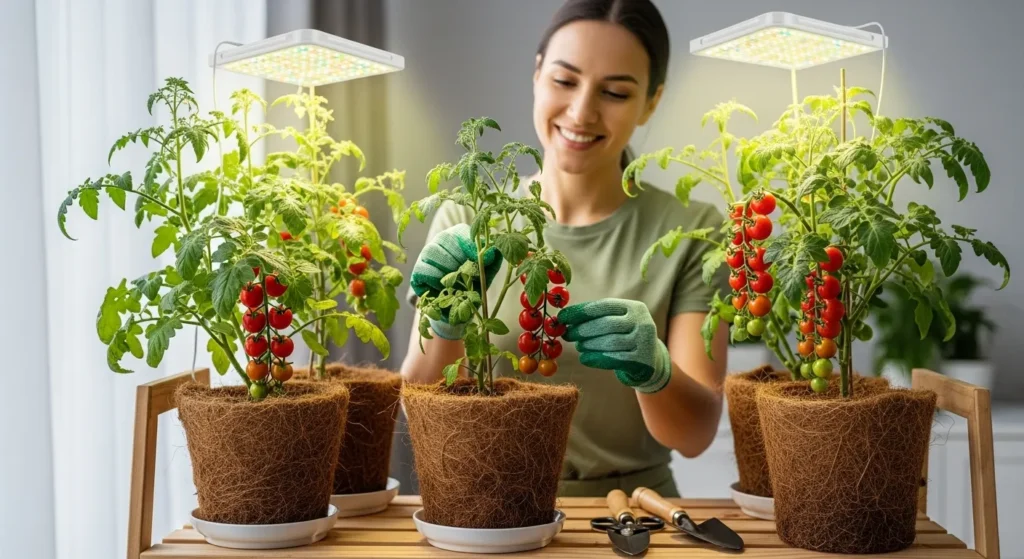
- Healthier Plants – Soil often carries pests, fungi, and diseases. By going soil-free, your tomatoes are less likely to get sick.
- Faster Growth & Higher Yields – In hydroponics, plants get nutrients directly, making them grow faster and produce more fruit.
- Space-Saving – Ideal for city living, you can grow tomatoes on balconies, patios, or even indoors.
- Eco-Friendly Water Use – Hydroponic systems use up to 90% less water than traditional gardening.
- Year-Round Harvests – With grow lights, you can harvest fresh tomatoes even in the middle of winter.
Challenges Beginners Face (and Solutions)
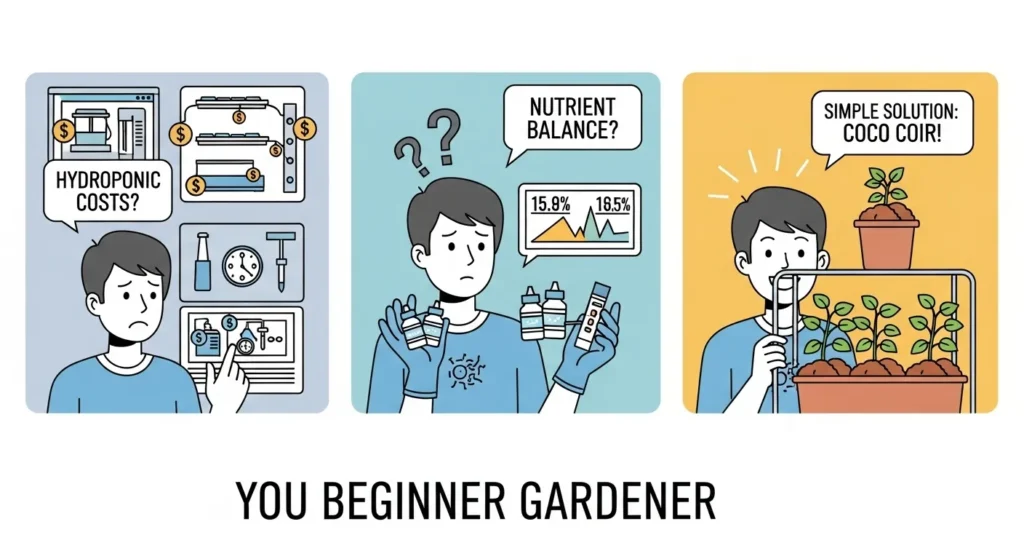
Cost of Equipment
- Challenge: Hydroponic systems or LED grow lights can seem expensive.
- Solution: Start small. A pot, coco coir, and a simple nutrient solution are enough. Upgrade later as your confidence grows.
Nutrient Balance
- Challenge: Unlike soil, your growing medium doesn’t provide natural nutrients.
- Solution: Use ready-made hydroponic tomato nutrient solutions. They come pre-balanced with the exact mix of nitrogen, phosphorus, and potassium.
👉 For an in-depth resource, check the University of Arizona Cooperative Extension – Hydroponic Tomato Guide.
Lack of Knowledge
- Challenge: Beginners often feel overwhelmed with new terms like “EC,” “pH,” or “nutrient film technique.”
- Solution: Keep it simple. Start with a pot and a coco coir setup. As you gain confidence, experiment with more advanced systems.
Step-by-Step Guide: How to Grow Tomatoes in Pots Without Soil
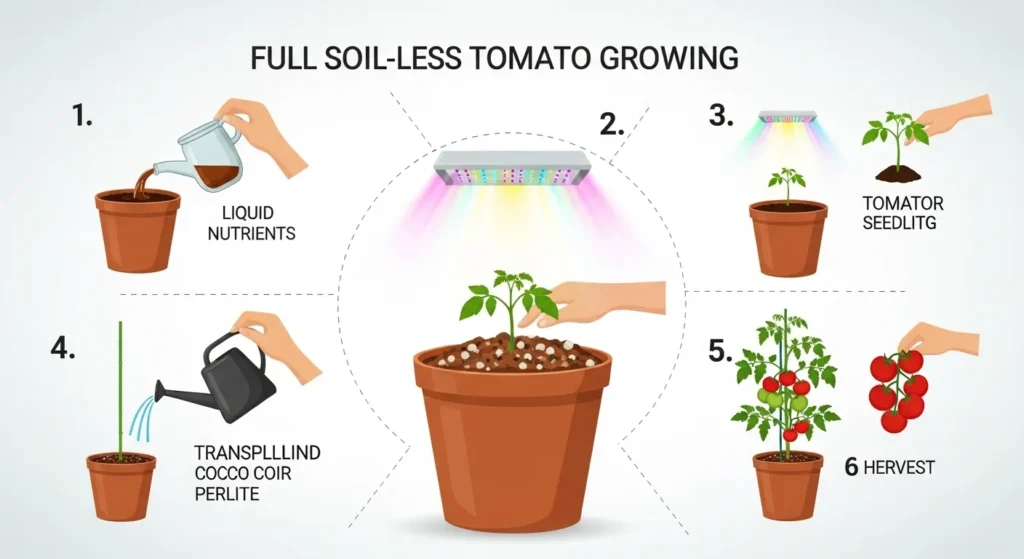
1. Choosing the Right Pot
- Use a pot that’s at least 5 gallons (19 liters). Tomatoes need room for their roots.
- Plastic or fabric grow bags work well. Ensure it has good drainage holes.
Pro Tip: Dark-colored pots help keep roots warm, while fabric grow bags allow better aeration.
2. Best Growing Mediums (Coco Coir, Perlite, Vermiculite)
- Coco Coir – Holds water well and is eco-friendly.
- Perlite – Improves drainage and prevents root rot.
- Vermiculite – Retains moisture and nutrients.
A good mix: 70% coco coir + 30% perlite.
3. Preparing the Pot & Drainage
- Place a layer of small pebbles or clay pellets at the bottom.
- Fill with your coco-perlite mix.
- Moisten the medium before planting.
4. Nutrient Solutions & Feeding Schedule
Tomatoes are heavy feeders. You’ll need a hydroponic nutrient solution.
- Seedling stage: High in nitrogen for leafy growth.
- Flowering stage: Increase phosphorus and potassium for fruit development.
- Feed 2–3 times a week (or daily in hydroponic systems).
Keep pH between 5.8–6.5 for best nutrient absorption.
5. Lighting Needs
Tomatoes need 10–12 hours of light daily.
- Outdoors: Place your pots in the sunniest spot.
- Indoors: Use LED grow lights positioned 12–18 inches above plants.
6. Planting Seeds or Seedlings
- Start seeds indoors in small coco coir cups.
- Once seedlings are 6–8 inches tall, transplant them into your larger pot.
- Or buy healthy seedlings from a nursery to save time.
7. Watering & Moisture Monitoring
- Keep the medium moist but not soggy.
- Use a moisture meter to avoid overwatering.
- In hydroponic systems, water circulates automatically.
8. Supporting Tomato Plants
Tomatoes get heavy as they fruit.
- Use stakes, cages, or trellises to support them.
- Tie stems gently with soft plant ties.
9. Harvesting Tips
- Most tomatoes ripen 60–85 days after transplanting.
- Pick when they’re fully colored but still firm.
- Harvest regularly to encourage more fruit production.
Ethical Concerns & Limitations
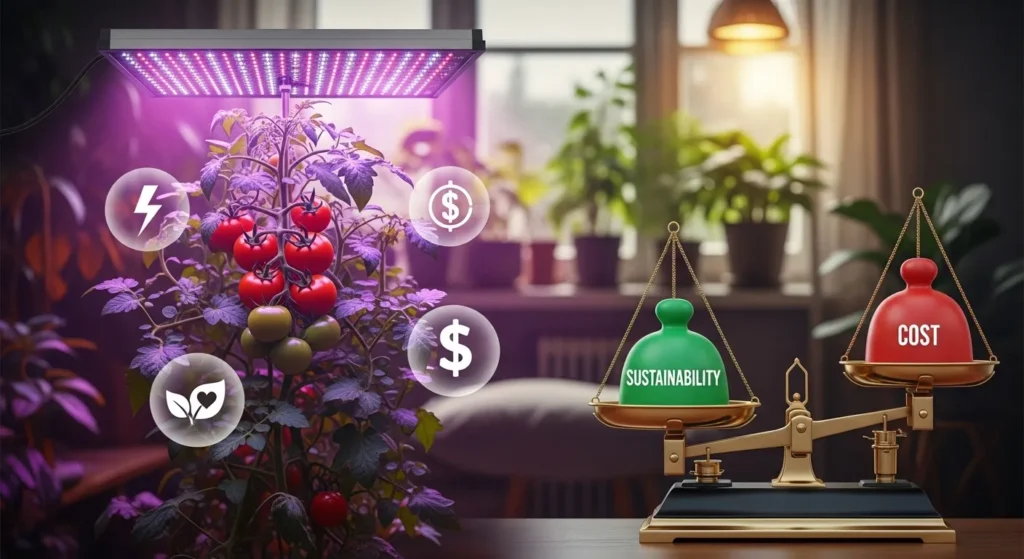
- Cost vs. Accessibility – Not everyone can afford LED grow lights or hydroponic kits.
- Sustainability of Mediums – Coco coir is renewable, but perlite and vermiculite require mining.
- Energy Use – Indoor growing with lights increases electricity consumption.
The key is balance. Even a small-scale setup reduces food miles and encourages self-sufficiency.
Future Outlook
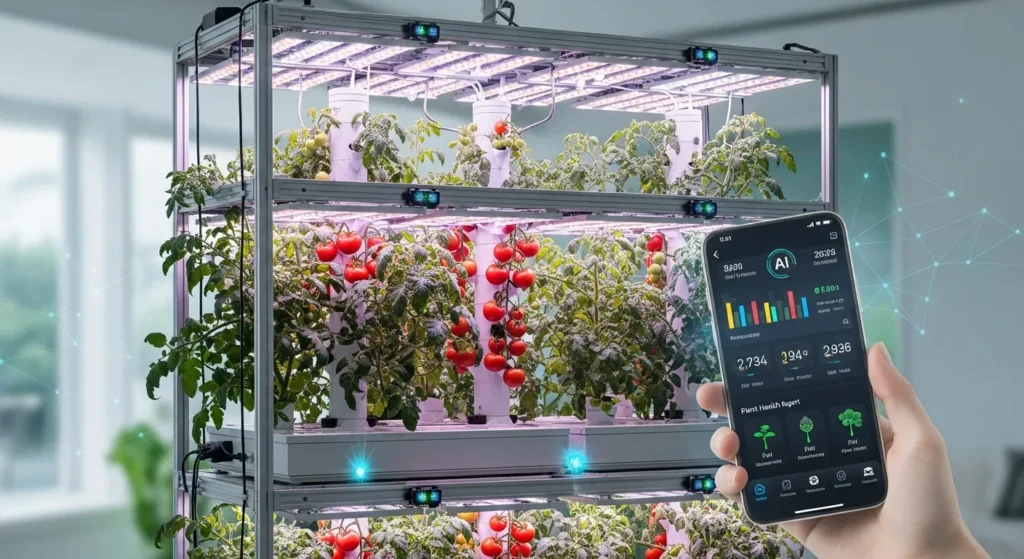
- Smart Hydroponics – Imagine AI apps monitoring pH, nutrients, and water levels for you.
- Affordable DIY Kits – Prices are dropping, making it accessible to everyone.
- Organic Soil-Free Solutions – More gardeners are demanding organic-approved nutrient mixes.
In the next decade, most urban homes may have a mini soil-free garden—just like we have microwaves and refrigerators today.
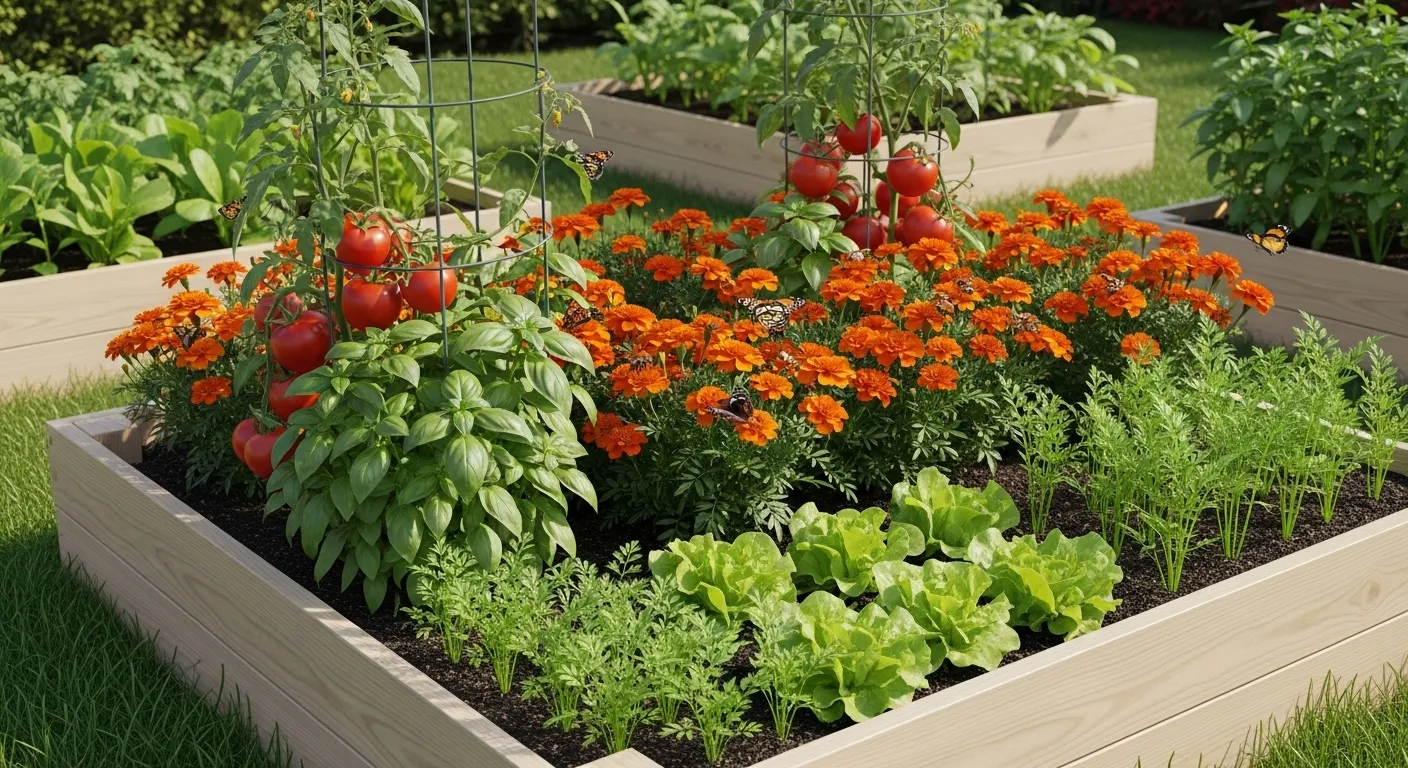
👉 “For those who enjoy outdoor projects, explore our Raised Bed Gardening Ideas for creative ways to expand your garden space.”
Conclusion
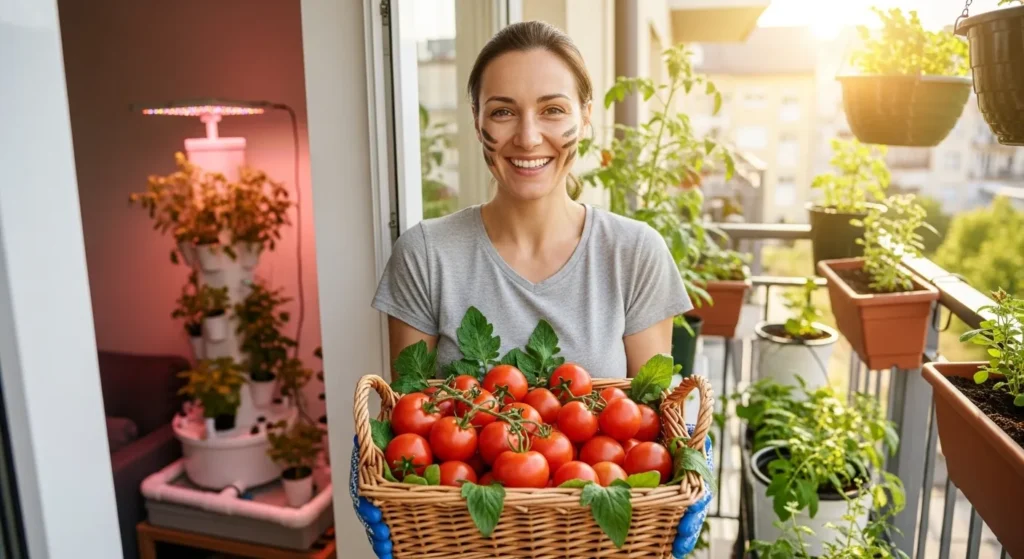
Growing tomatoes without soil isn’t just a gardening trend—it’s a lifestyle shift. With the right pot, medium, and care, you can enjoy fresh, chemical-free tomatoes from your balcony, kitchen, or living room.
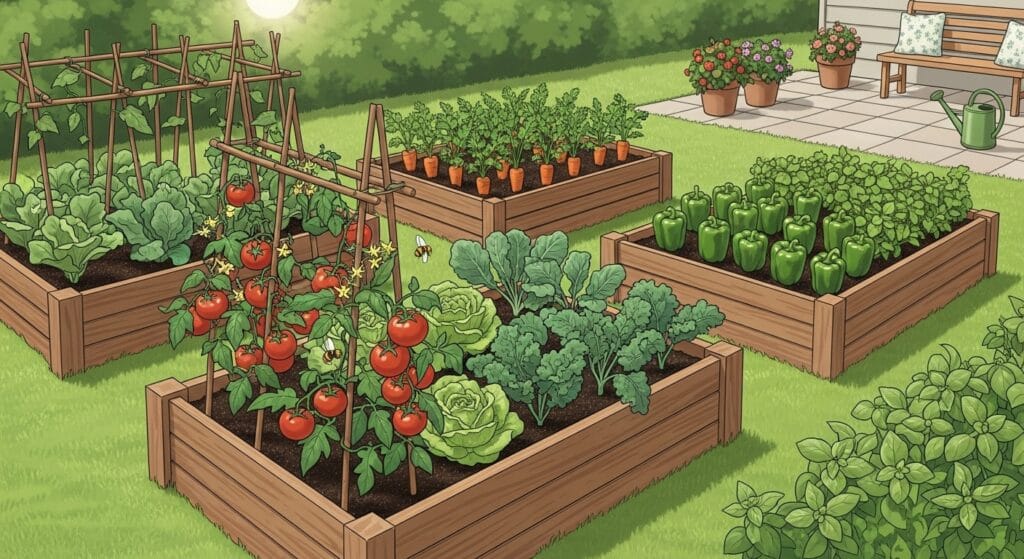
👉 “And if you still prefer traditional gardening, check out our guide on the Best Soil for Raised Beds to improve your outdoor harvests.”
So why wait? Start small. Get a pot, some coco coir, and a few seeds. Watch your plants grow, learn from the process, and savor your first harvest.
Because nothing beats the taste of a tomato you grew yourself—no backyard required.
FAQ: Grow Tomatoes in Pots Without Soil
1. Can you really grow tomatoes in pots without soil?
Yes! You can successfully grow tomatoes in pots without soil using hydroponics, coco coir, or perlite mixes. These methods provide nutrients directly to the roots, making plants healthier and faster‑growing.
2. What is the best growing medium to grow tomatoes in pots without soil?
Coco coir mixed with perlite is one of the most effective options. Coco coir retains moisture, while perlite improves drainage and prevents root rot. A 70/30 mix is ideal for beginners.
3. Do I need special equipment to grow tomatoes in pots without soil?
Not necessarily. While hydroponic kits and LED grow lights are helpful, you can start with a simple pot, coco coir, and a nutrient solution. As you gain confidence, you can upgrade to more advanced systems.
4. How do I feed tomatoes when growing them without soil?
Tomatoes are heavy feeders. Use a hydroponic nutrient solution tailored for tomatoes. Provide more nitrogen during the seedling stage, then increase phosphorus and potassium during flowering and fruiting.
5. How much light do tomatoes need in soil‑free pots?
Tomatoes require 10–12 hours of light daily. Outdoors, place pots in the sunniest spot. Indoors, use LED grow lights positioned 12–18 inches above the plants.
6. Is watering different when you grow tomatoes in pots without soil?
Yes. Instead of traditional watering, you’ll keep the growing medium consistently moist. In hydroponic systems, water circulates automatically, while in coco coir setups, you’ll monitor moisture with a meter.
7. What are the biggest challenges when growing tomatoes without soil?
Beginners often struggle with nutrient balance, equipment costs, and unfamiliar terms like pH or EC. Starting small with coco coir and a simple nutrient solution helps overcome these hurdles.
8. Are soil‑free tomatoes healthier than soil‑grown ones?
They can be. Growing tomatoes in pots without soil reduces exposure to soil‑borne pests and diseases, often resulting in healthier plants and higher yields.
9. Can I grow tomatoes indoors without soil?
Absolutely. Indoor setups with coco coir or hydroponic kits work well. Just ensure proper lighting and ventilation. This makes Grow Tomatoes in Pots Without Soil perfect for apartments or small spaces.
10. How long does it take to harvest tomatoes in soil‑free pots?
Most tomato varieties ripen within 60–85 days after transplanting. Regular harvesting encourages more fruit production, giving you a steady supply of fresh tomatoes.
5 Comments on “How to Grow Tomatoes in Pots Without Soil (Step-by-Step Guide)”