
Table of Contents
Table of Contents
🌿 Introduction
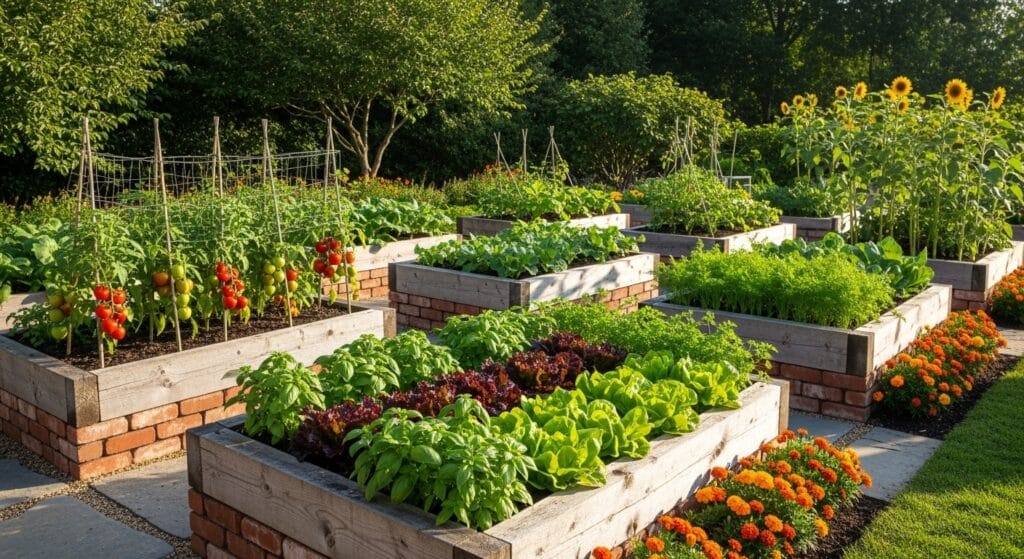
Raised bed gardening has become one of the most popular ways to grow vegetables, herbs, and flowers at home. Instead of planting directly into the ground, you build a garden bed that sits above the soil—usually framed with wood, bricks, or other sturdy materials. You then fill it with a customized soil mix, giving your plants a healthier start.
Why is it so popular among both beginner gardeners and seasoned green thumbs? Simply put, raised beds make gardening easier, more productive, and more enjoyable. They give you control over soil quality, improve drainage, reduce weeds, and allow you to garden almost anywhere—even on a patio or concrete surface.
For homeowners with small yards, renters with limited space, or older gardeners who want less bending and digging, raised beds are a perfect solution. In this article, we’ll walk through the benefits, planning tips, DIY construction ideas, soil preparation, crop choices, maintenance strategies, common mistakes to avoid, creative inspirations, and a quick reference checklist and FAQ to help you start your own raised bed garden.
🌿 Benefits of Raised Bed Gardening
Better Soil Control
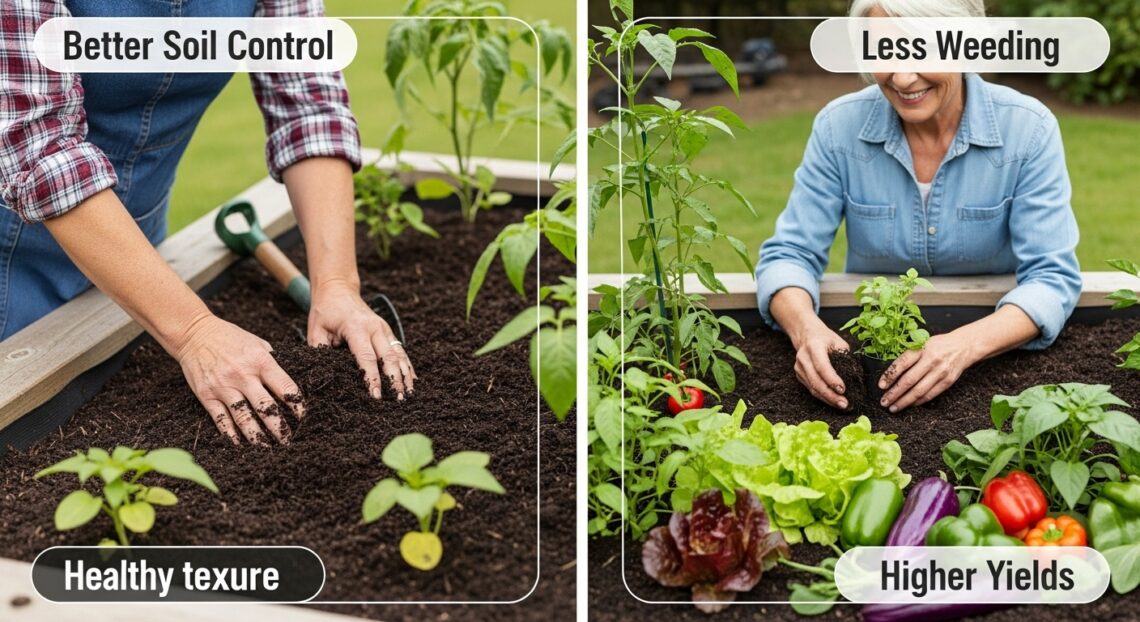
When you use a raised bed, you’re not stuck with the native soil in your yard, which may be too sandy, clay-heavy, or compacted. Instead, you build the perfect soil mix for your crops. This is especially useful in urban or suburban areas where the ground soil is often poor.
Case Study:
- Beginner Gardener Sarah started her first raised bed on top of hard clay soil. By mixing compost, peat moss, and sand, she created loose soil that allowed carrots and beets to grow properly—something impossible in her yard’s natural soil.
Less Weeding
Weeds are less likely to invade raised beds because you’re starting with clean soil and can add barriers like cardboard at the bottom. Plus, the height makes it easier to spot and pull weeds before they spread.
Accessibility and Comfort
Raised beds are easier on your back and knees since you don’t have to bend as much. For older gardeners or anyone with limited mobility, beds can be built taller—even at waist height—for comfortable access.
Case Study:
- Retiree James built 24-inch-tall beds using cinder blocks. He can sit on the edge while gardening, making it enjoyable instead of painful.
Higher Yields
Because the soil is rich, well-drained, and never compacted by foot traffic, plants grow faster and healthier. Closer spacing also creates a “mini-ecosystem” where plants shade the soil, conserve moisture, and reduce weeds.
👉 If you’re curious about improving soil health, you may also want to read Turn Your Scraps into Soil Gold: The Ultimate Guide to Making Compost at Home.
📍 Planning Your Raised Bed Garden
Choosing the Right Location
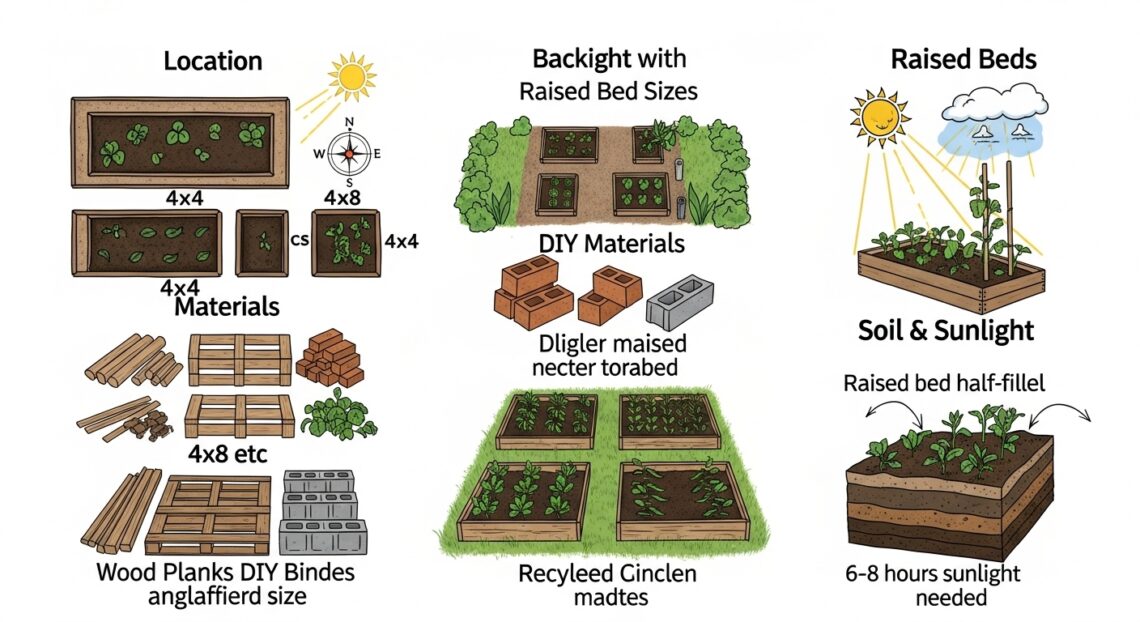
- Pick a spot that gets at least 6–8 hours of sunlight daily.
- Avoid areas under large trees (roots and shade can interfere).
- Ensure access to a water source like a hose or rain barrel.
Scenario:
- Maria, a city gardener, placed her raised bed on her sunny patio, while Tom, living in a shaded yard, built his beds in the sunniest corner and supplemented with reflective panels to bounce extra light.
Deciding on Size
- A standard bed is 4×8 feet—big enough for plenty of crops but narrow enough to reach across without stepping inside.
- Depth should be 10–12 inches for most vegetables, or 18+ inches for root crops.
Choosing Materials
- Wood: Affordable and classic (cedar, pine, redwood).
- Bricks or Cinder Blocks: Durable and low-maintenance.
- Recycled Items: Old tubs, pallets, or barrels.
Sunlight & Drainage Considerations
- Raised beds drain faster, which is good—but in very hot climates, they can dry out quickly. Consider mulching or installing drip irrigation.
👉 Not sure what to use? Check out our guide on “Safe Materials for Raised Beds: A Complete Guide for Gardeners and DIY Enthusiasts“
🛠️ DIY Raised Bed Ideas
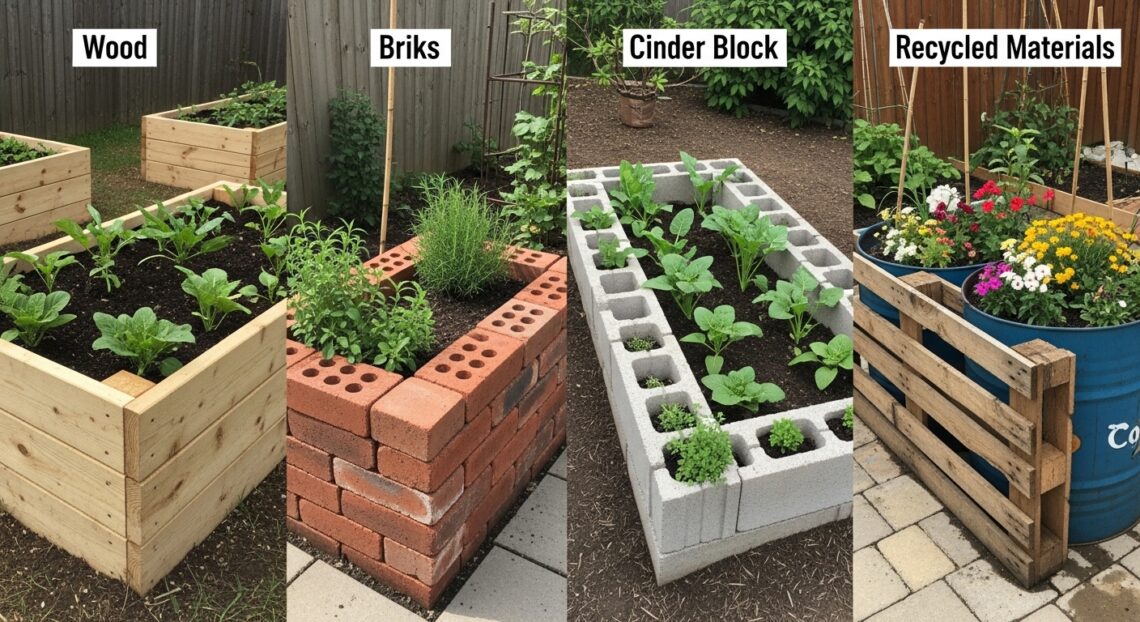
Here are four beginner-friendly designs you can build at home:
1. Wooden Raised Bed
- Measure and mark a 4×8 ft rectangle.
- Cut four planks of untreated cedar or pine (2×10 boards).
- Screw boards together to form a box.
- Place on leveled ground, line with cardboard (weed barrier).
- Fill with soil mix.
Scenario: Alex, a beginner, built a simple wooden bed in one afternoon using only a saw, drill, and screws.
2. Brick or Stone Bed
- Lay out a rectangle with bricks/stone.
- Stack at least 2–3 layers high.
- No mortar required for a temporary design.
- Fill gaps with soil to stabilize.
3. Cinder Block Bed
- Place cinder blocks in a rectangle.
- Use the hollow spaces to plant herbs or flowers.
- Fill inside with soil.
Scenario: Linda, short on space, planted strawberries in the holes of her cinder blocks while growing tomatoes inside the bed.
4. Upcycled Raised Bed
- Find a large container (old bathtub, pallet box, livestock trough).
- Drill drainage holes at the bottom.
- Line with landscaping fabric.
- Fill with soil mix.
👉 For more step-by-step ideas, see our Beginner’s Guide to DIY Raised Garden Beds
🌍 Soil Mix and Preparation
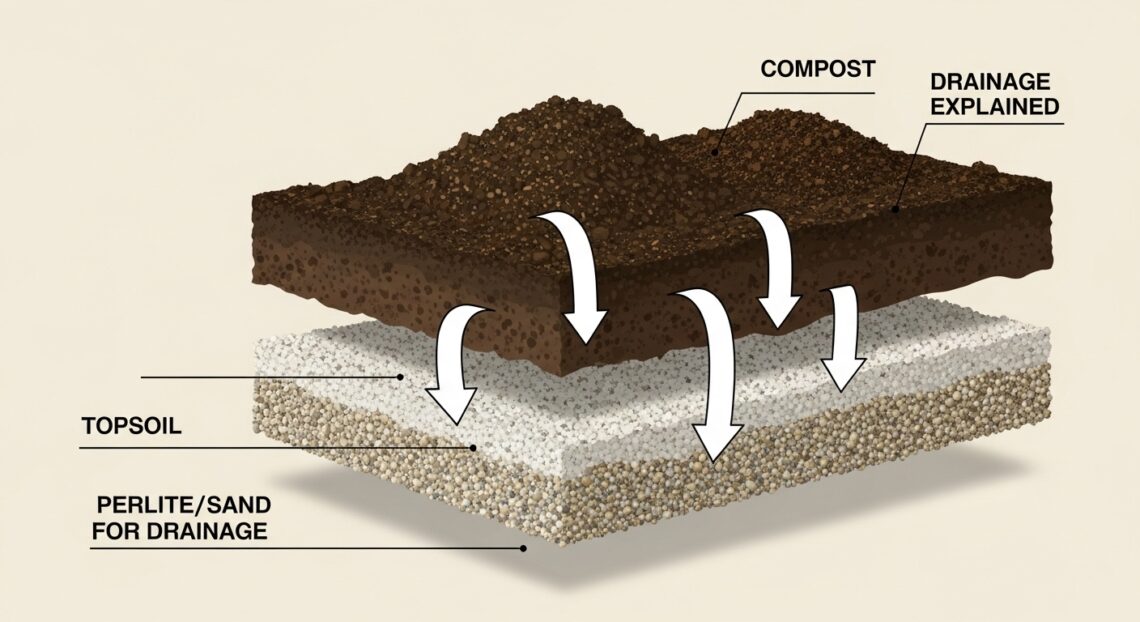
Why Soil Quality Matters
Soil is the foundation of raised bed gardening. The right mix ensures proper drainage, aeration, and nutrients.
Step-by-Step Soil Prep (Expanded)
- Clear the area of grass and weeds.
- Add cardboard or newspaper at the bottom.
- Mix soil off-site in a wheelbarrow or tarp.
- Use the 50/30/20 Rule: 50% topsoil, 30% compost, 20% sand/perlite. Adjust as needed.
According to the Iowa State University Extension, an effective raised bed soil blend should include equal parts topsoil, organic matter like compost, and coarse sand. This ensures a light, well-draining, and nutrient-rich growing environment for vegetables and herbs.
- Test pH (ideal: 6.0–6.8).
- Loosen soil each season.
- Mulch to conserve water.
- Refresh with compost every year.
🥕 What to Grow in Raised Beds
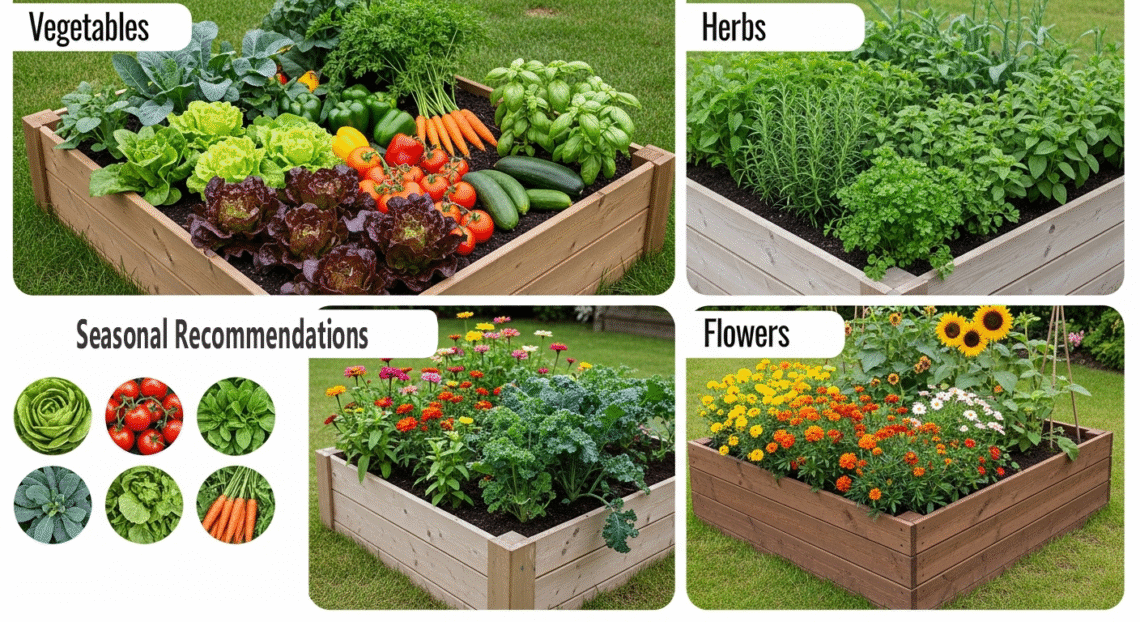
Vegetables
- Lettuce, spinach, kale (fast-growing, easy).
- Tomatoes, peppers, beans (require support).
- Carrots, radishes, and beets (need loose soil).
Herbs
- Basil, parsley, thyme, cilantro—great companions for veggies.
Flowers
- Marigolds (pest deterrent).
- Nasturtiums (edible).
- Sunflowers (attract pollinators).
Scenario: Sophia planted basil and marigolds around her tomatoes. The herbs enhanced flavor, and marigolds reduced pests—proof that companion planting works in raised beds.
👉 For more step-by-step ideas, see our List of Best Vegetables for Raised Beds: A Beginner’s Guide to Productive Gardening
💧 Maintenance Tips
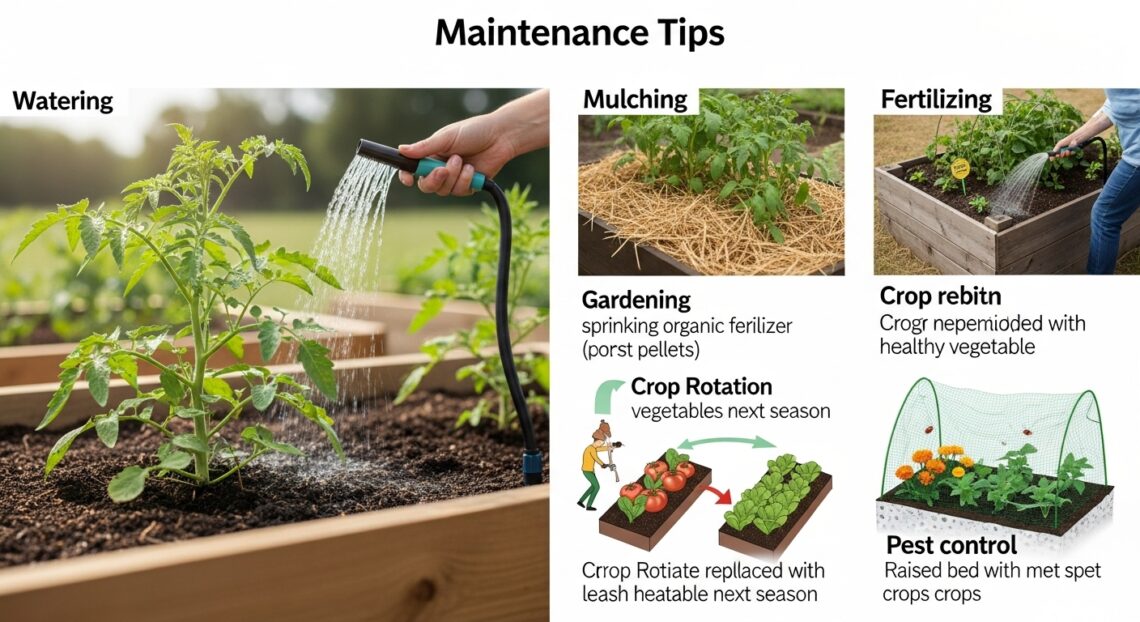
Watering
- Deep watering 2–3 times weekly.
- Raised beds dry faster, so check moisture daily in hot weather.
Mulching
- Use straw, bark, or shredded leaves to reduce weeds and conserve moisture.
Fertilizing
- Add compost tea every 4–6 weeks.
- Use organic fertilizer for long-term nutrition.
Pest & Disease Control
- Inspect weekly.
- Hand-pick pests or use neem oil.
Crop Rotation
- Don’t plant the same crop in the same spot each year.
⚠️ Common Mistakes to Avoid
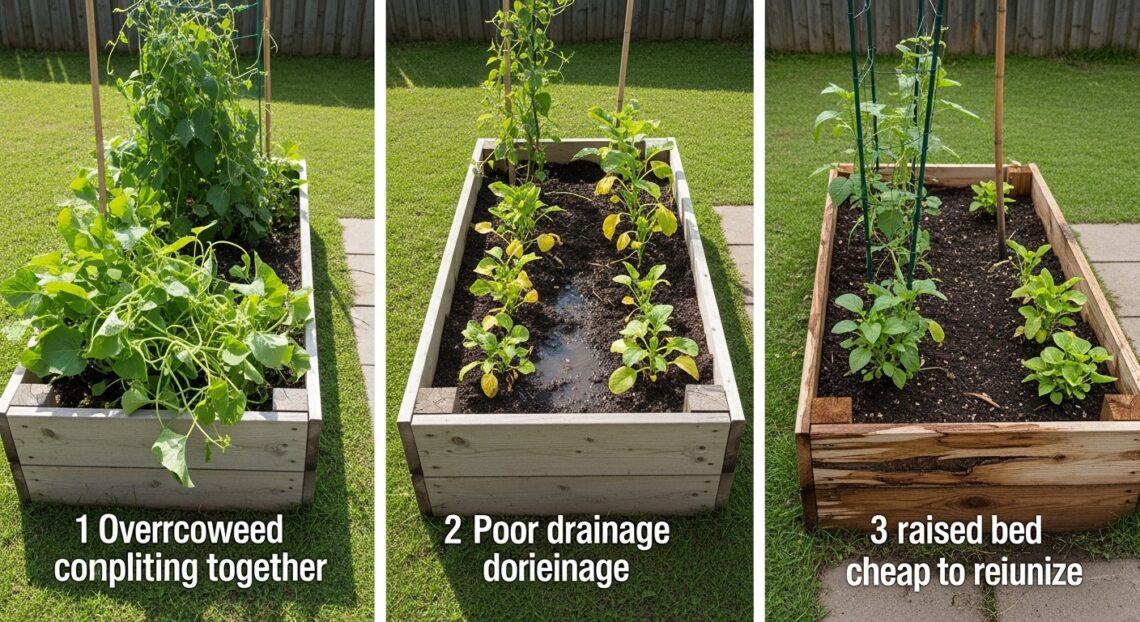
- Overcrowding: Plants need airflow and root space.
- Poor Drainage: Beds without a proper soil mix can drown plants.
- Using Treated Wood: Harmful chemicals can leach into soil.
The EPA warns against using CCA-treated wood for raised beds, as toxins may seep into food crops.
🎨 Creative & Budget-Friendly Inspirations
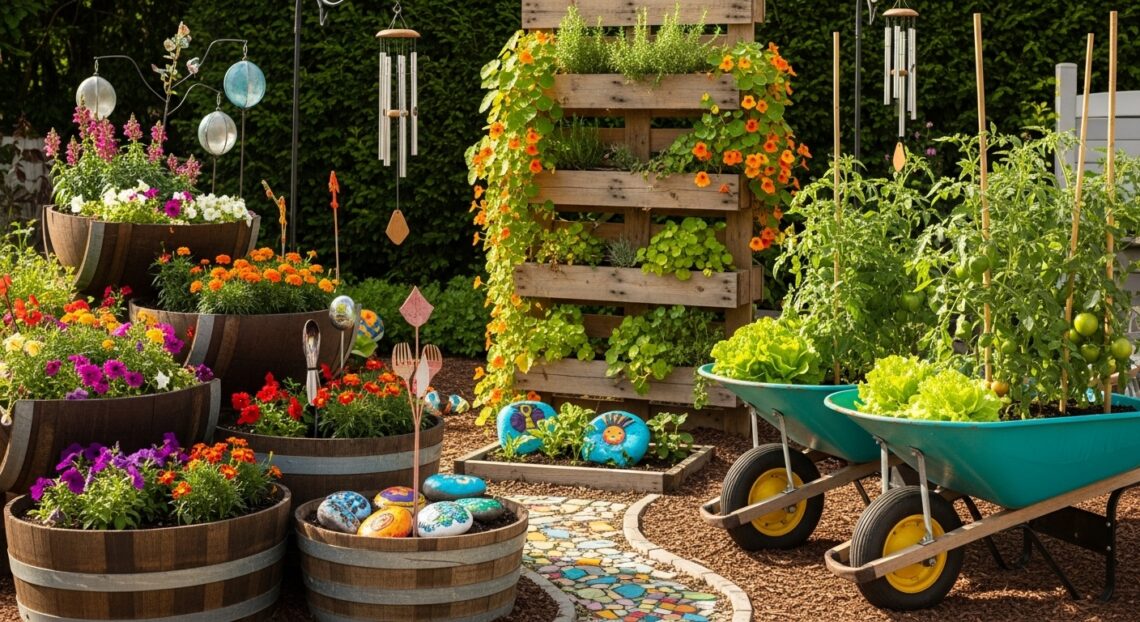
- Add trellises for vertical crops.
- Paint or stain wooden beds for style.
- Upcycle furniture, pallets, or barrels.
- Mix flowers with vegetables for beauty and pollination.
Scenario: Emma turned an old dresser into a herb garden by filling each drawer with soil. It became the centerpiece of her backyard.
🌸 Conclusion
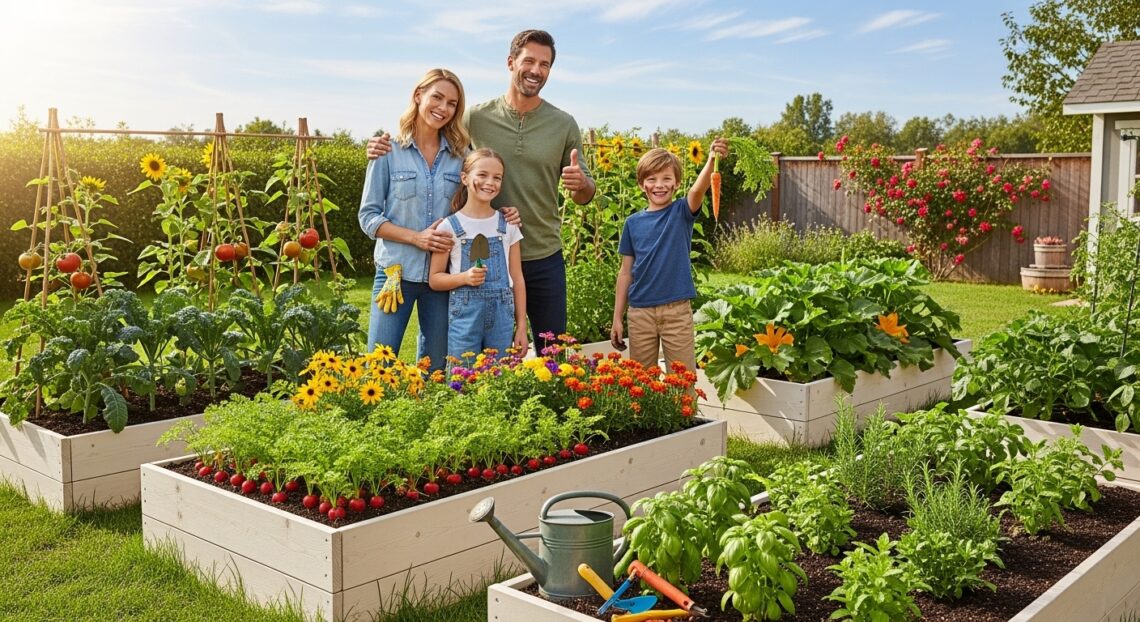
Raised bed gardening is a beginner-friendly yet professional method for growing vegetables, herbs, and flowers at home. It combines practicality with creativity, offering healthier soil, higher yields, and easier maintenance.
Whether you’re a beginner like Sarah, experimenting with your first 4×4 bed, or a seasoned gardener like James, building tall cinder block beds for comfort, this method can transform your gardening experience.
Now is the perfect time to try it—start small, stay consistent, and watch your garden flourish. 🌿
🌱🌿🌸 Happy Gardening 🌱🌿🌸
🌱 Quick Reference Checklist: Raised Bed Gardening Made Simple
1. Planning Your Raised Bed
- ✅ Choose a sunny spot (6–8 hours of direct light).
- ✅ Decide on size: 4×4 ft or 4×8 ft for beginners.
- ✅ Pick durable materials: wood, bricks, cinder blocks, or recycled items.
- ✅ Ensure good drainage (avoid waterlogged areas).
2. Building the Bed
- ✅ Level the ground before placing materials.
- ✅ Use untreated, rot-resistant wood (cedar, redwood, pine).
- ✅ Secure corners tightly for stability.
- ✅ Build height: 10–12 inches for veggies, 18+ inches for root crops.
3. Soil Mix & Preparation
- ✅ Aim for 50% topsoil, 30% compost, 20% sand/perlite.
- ✅ Test pH (ideal: 6.0–6.8).
- ✅ Mix soil before filling the bed.
- ✅ Add mulch on top for moisture retention.
- ✅ Refresh with compost each season.
4. What to Grow
- ✅ Easy veggies: lettuce, carrots, tomatoes, peppers.
- ✅ Herbs: basil, parsley, mint, thyme.
- ✅ Flowers: marigolds, nasturtiums, sunflowers.
- ✅ Rotate crops each season to prevent pests.
5. Maintenance Tips
- ✅ Water deeply 2–3 times per week (depending on climate).
- ✅ Mulch to suppress weeds and conserve water.
- ✅ Fertilize every 4–6 weeks with compost tea or organic fertilizer.
- ✅ Inspect plants weekly for pests/disease.
6. Mistakes to Avoid
- ❌ Don’t overcrowd plants (follow spacing guides).
- ❌ Don’t use poor-draining soil.
- ❌ Avoid treated wood (chemicals can leach into soil).
7. Creative Add-Ons
- ✅ Trellises for climbing crops (tomatoes, cucumbers, beans).
- ✅ Vertical attachments for small spaces.
- ✅ Upcycle old furniture, pallets, or tubs for unique beds.
🌿 FAQs (Raised Bed Gardening)
Q1: What is a good height and depth for a raised bed?
▪️ Usually, beds about 10–12 inches (25–30 cm) deep work well for many vegetables and herbs. For deeper-rooted crops (like carrots, potatoes), 16–18 inches (40-45 cm) or more is better.
▪️ Height above ground (the walls) can be 8-12 inches or more, depending on ease of access. Raised beds that are too wide can be hard to tend; keeping the width ≤ about 4 feet (so you can reach inside without stepping in) is a common guideline.
Q2: What materials are safe/unsafe for building a raised bed?
▪️ Safe materials include untreated cedar, redwood (naturally rot-resistant woods), stone, brick, galvanized steel, and concrete blocks.
▪️ Use caution with pressure-treated wood (older types may leach harmful chemicals), old treated lumber, and certain plastics. Always drill drainage holes in containers, and ensure that materials in contact with soil don’t release toxins.
Upcycled items can be great if you verify their safety (e.g., no lead paint, no chemical coatings).
Q3: What type of soil mix should I use?
A well-draining, fertile mix is key. A common recipe is:
▪️ 40% good topsoil (or garden soil)
▪️ 40% compost (organic matter)
▪️ 20% material to improve drainage and aeration (sand, perlite, coconut coir, etc.)
Refresh soil annually with compost to maintain fertility and structure. If drainage is poor, consider adding gravel underneath or raising the bed base.
Q4: How much sun and water do raised beds need?
▪️ Sunlight: Most vegetables and many flowering plants need 6 to 8 hours of direct sun per day. Shade-tolerant herbs or leafy greens may require less.
▪️ Watering: Because raised beds often drain more quickly, they may dry out faster. Water deeply (so that moisture reaches the deeper roots), early in the morning. Mulching helps retain moisture. Keep an eye on moisture—more frequent watering during hot or dry periods.
Q5: How do I choose what to grow in my raised beds?
▪️ Think about what you like to eat or see. Vegetables, herbs, and flowers all can work.
▪️ Consider seasonality: what grows well in spring, summer, fall, and winter in your climate.
▪️ Plan for companion planting or crop rotation to reduce pest/disease buildup.
▪️ Mix fast-growing crops with slower ones, and consider vertical space (trellises, supports) if you have tall or vining plants.
Q6: How do I maintain raised beds to keep them productive year after year?
▪️ Add compost or organic matter annually to replenish nutrients.
▪️ Use mulching to reduce weeds, retain moisture, and moderate soil temperature.
▪️ Rotate crops (plant different plant families in a bed each season) to reduce soil-borne diseases and pest buildup.
▪️ Monitor for pests and diseases; use organic controls or companion planting.
▪️ Avoid overcrowding—give plants enough space so airflow is good, which reduces disease risk.
Q7: What are common mistakes to avoid?
▪️ Overcrowding plants lead to poor airflow and stunted growth.
▪️ Poor drainage (leading to root rot or waterlogging).
▪️ Using treated or contaminated materials that can leach harmful substances.
▪️ Forgetting to refresh the soil or add compost, soil fertility drops over time.
▪️ Ignoring sunlight requirements, putting beds in too much shade limits productivity.
Q8: How do I adapt raised beds for my local climate/environment?
▪️ Hot climates: Use shading, mulch heavily, and choose heat-tolerant plants.
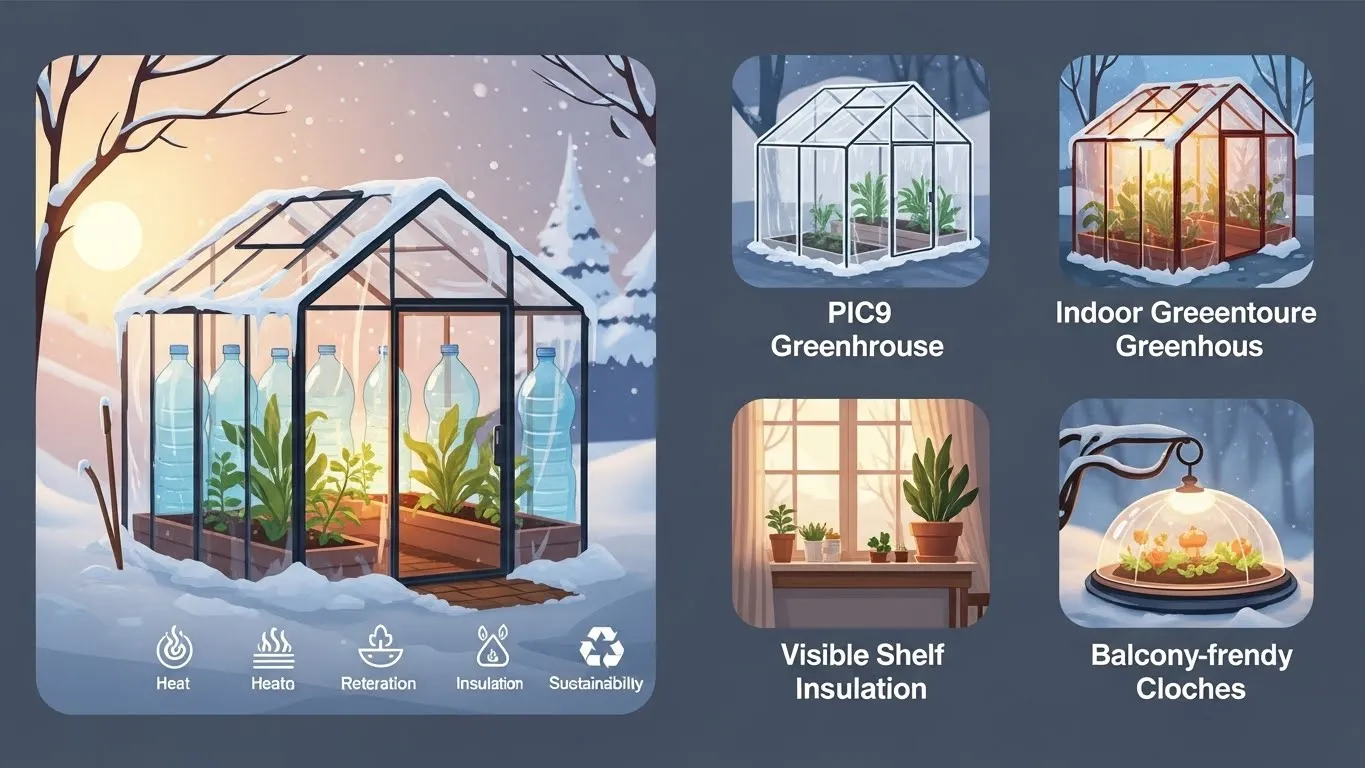
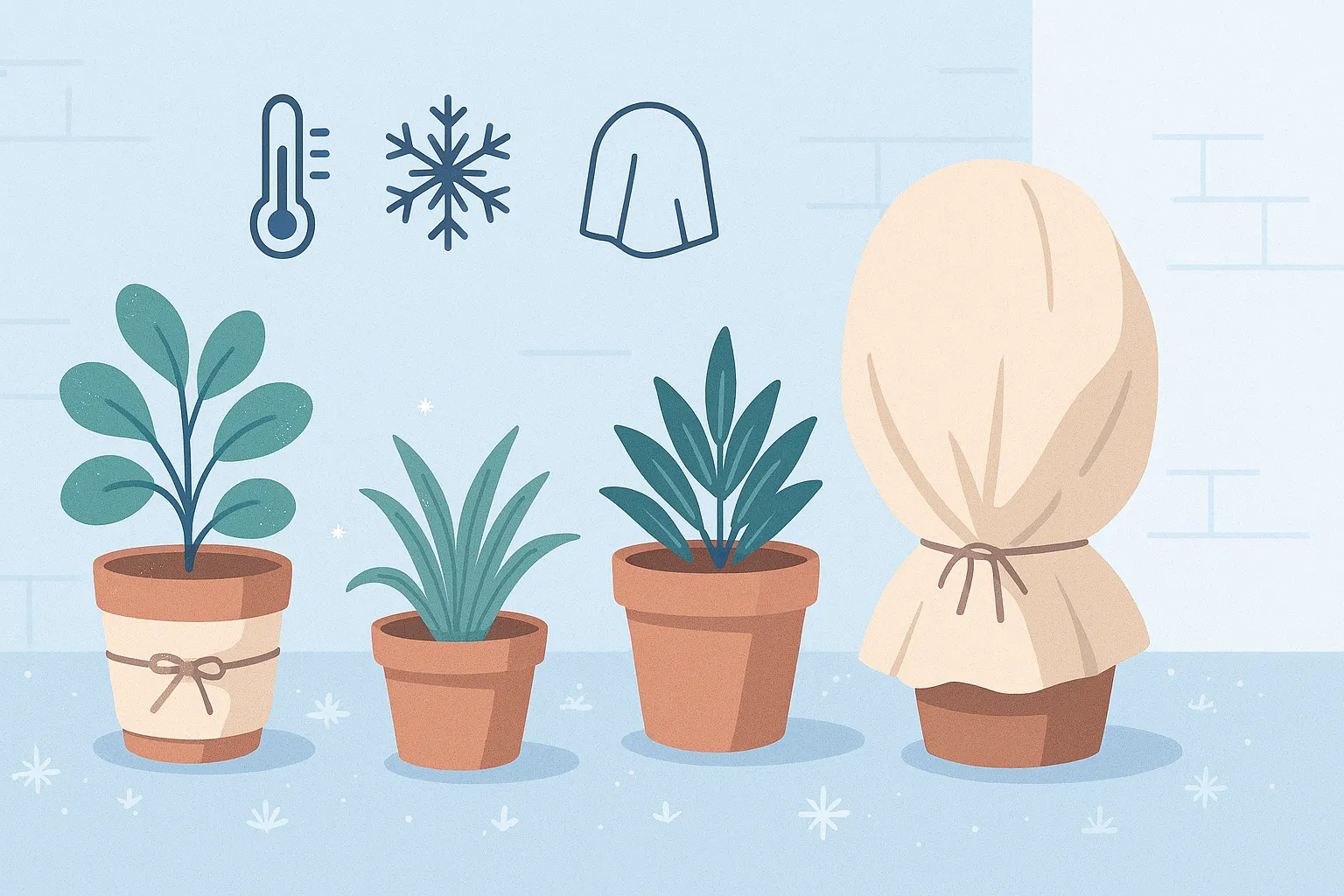
▪️ Cold climates/frost zones: Use covers, cold frames, or higher beds to warm faster; select cold-hardy varieties.
▪️ Rainy/humid climates: Ensure excellent drainage; avoid materials that retain too much moisture; pick disease-resistant plant varieties.
▪️ Limited space: Use vertical gardening, narrow beds, and containers.
Q9: How much will it cost & how long to build a basic raised bed?
▪️ Costs depend heavily on materials: untreated wood vs stone or brick, buying compost vs making your own, cost of soil amendments. A small wood bed can be done for relatively low cost; large stone or brick beds are more expensive.
▪️ Time: A simple wooden raised bed (basic frame, fill with soil) might take a few hours to a day. More complex beds (stone, tiered, vertical, custom shapes) take more planning and labor.
Q10: Can I build raised beds if I have very limited space (balcony, rooftop)?
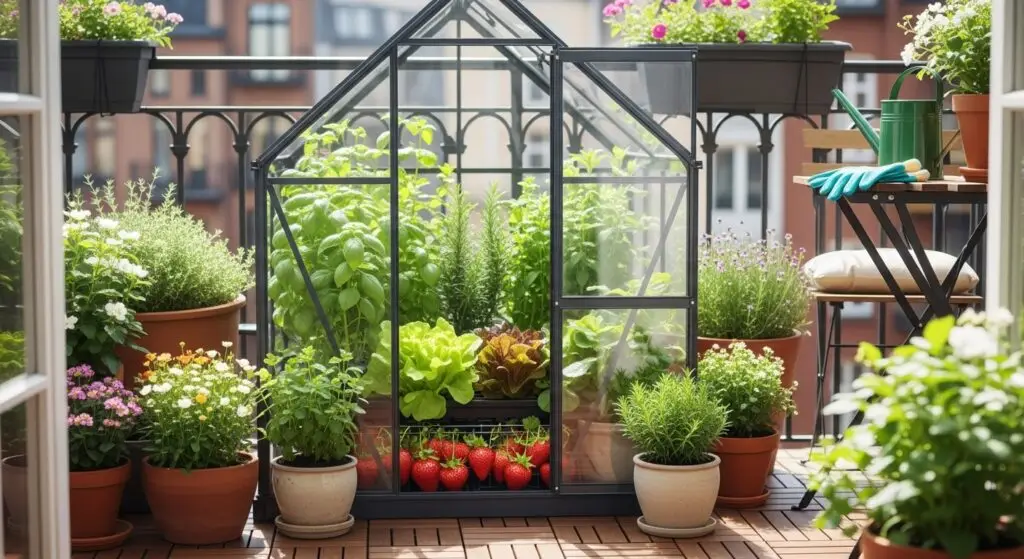
Yes! Many of the options described (recycled containers, pallet beds, container gardening) work well in limited space. Use lightweight materials, ensure good drainage, and choose compact or dwarf plant varieties. Vertical trellises and stacked beds are also very helpful.
4 Comments on “Raised Bed Gardening Simple DIY Ideas”